
Roofing Tips & Guides
Expert Roofing Advice for Charlotte Homeowners
Learn from Charlotte's trusted roofing experts. Tips on maintenance, repair, replacement, and protecting your home from the elements.
Leak or wind damage from Isaias? 24/7 emergency tarping, free storm-damage inspections and insurance-claim help.
Learn from Charlotte's trusted roofing experts. Tips on maintenance, repair, replacement, and protecting your home from the elements.

Spring hits Charlotte like a fresh start button for your home. After months of freeze-thaw cycles, occasional ice, and those unpredictable Carolina weather swings, your roof has been working overtime to protect your family.
As someone who's been crawling around Charlotte roofs for over two decades, I've seen what our unique climate does to roofing systems. The good news? Most spring maintenance tasks are totally manageable for homeowners who want to stay ahead of problems.
This isn't about becoming a roofing expert overnight. It's about catching small issues before they become expensive headaches during summer storm season.
Charlotte's climate creates a perfect storm of roofing challenges. We get enough winter weather to cause expansion and contraction damage, but not enough to stay consistently frozen. That freeze-thaw cycle is brutal on shingles and flashing.
Then comes our humid summer with intense UV exposure and afternoon thunderstorms that can pack 70+ mph winds. Your roof needs to be ready.
I've inspected thousands of Charlotte roofs, and here's what I've learned: homes that get spring maintenance typically avoid 80% of the emergency calls we receive during storm season.
Before we dive into the checklist, let's talk safety. Roof work can be dangerous, even for simple inspections.
Essential Safety Rules:
Most of this checklist can be completed from the ground using binoculars or a drone camera. You don't need to risk injury to spot problems.
Start your spring maintenance from solid ground. You'd be surprised how much you can identify without ever climbing up.
What to Look For:
Walk completely around your house. Check from different angles. I've found hidden damage on the backside of homes that owners hadn't noticed for months.
Use binoculars to get a closer look at suspicious areas. Modern smartphone cameras with zoom features work surprisingly well for documenting potential problems.
Shingles are your roof's first line of defense, and Charlotte's weather tests them constantly.
Critical Shingle Checkpoints:
Look for missing, cracked, or curling shingles. Winter's freeze-thaw cycles make existing damage worse. A small crack in November becomes a missing shingle by March.
Check for excessive granule loss. Some granule shedding is normal, especially on newer roofs. But if you're seeing bare spots or significant accumulation in gutters, that's a red flag.
Examine the edges where shingles meet. Wind-driven rain during our spring storms finds every weak point. Lifted or loose edges need immediate attention.
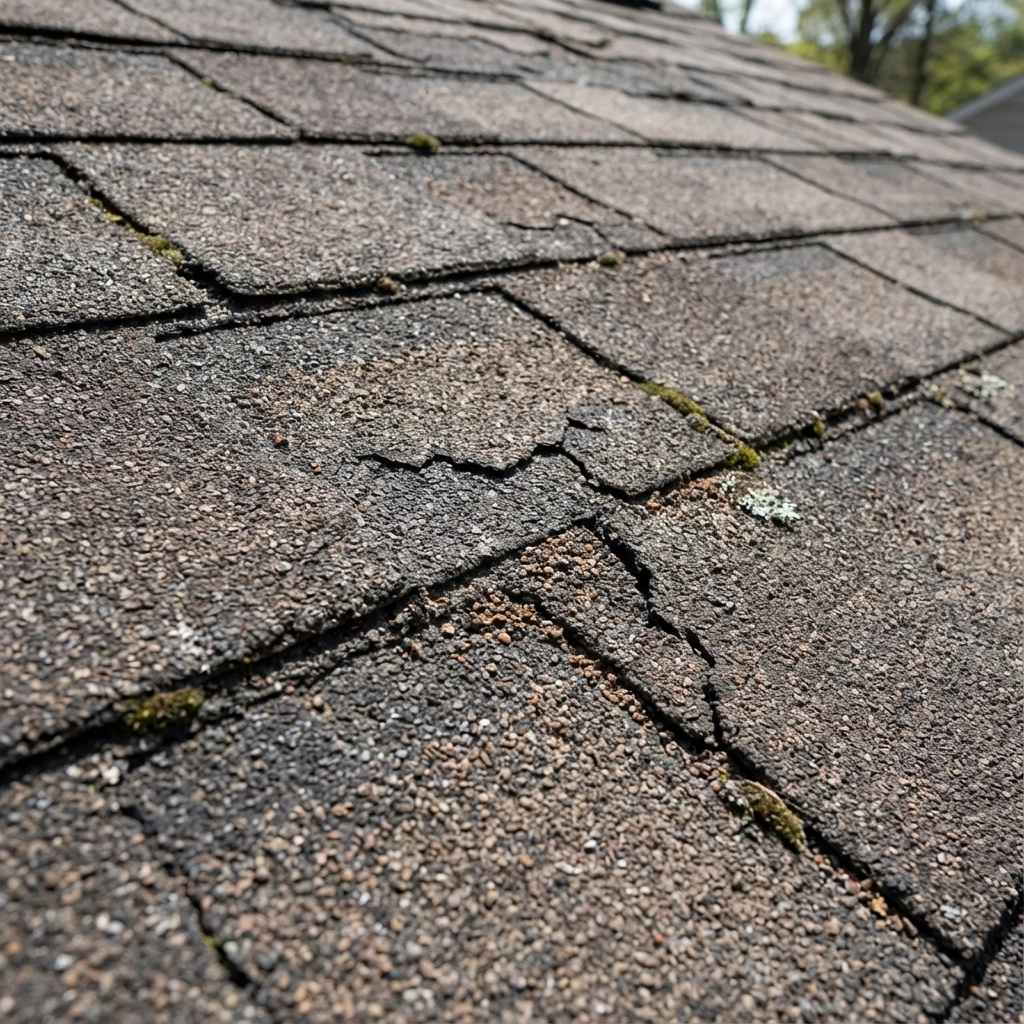
DIY Granule Loss Test:
Run your hand gently across a few shingles (if safely accessible). Your palm should pick up a few granules – that's normal. If you're getting handfuls of granules, or if the mat underneath is showing through, replacement is coming soon.
Flashing failures cause more Charlotte roof leaks than any other single issue. These metal barriers around penetrations take a beating from our temperature swings.
Priority Flashing Areas:
Look for gaps, rust, or loose sections. Old caulk gets brittle and cracks. Fresh sealant application is often a simple DIY fix that prevents major water damage.
I recommend keeping clear, paintable exterior caulk on hand. It's a $5 investment that can save thousands in water damage repairs.
Charlotte's trees mean constant debris challenges. Spring is prime time for a thorough gutter cleaning and inspection.
Complete Gutter Checklist:
Clear all debris from gutters and downspouts. Winter storms deposit leaves, twigs, and roof granules that create blockages. Clogged gutters cause water to back up under shingles.
Test water flow with a garden hose. Water should move freely toward downspouts without pooling. Standing water indicates improper slope or blockages.
Inspect gutter attachments. Look for loose hangers, separated joints, or pulling away from the fascia board. These problems worsen quickly during heavy spring rains.
Check downspout discharge points. Water should flow at least 6 feet from your foundation. Closer than that risks basement flooding or foundation issues.
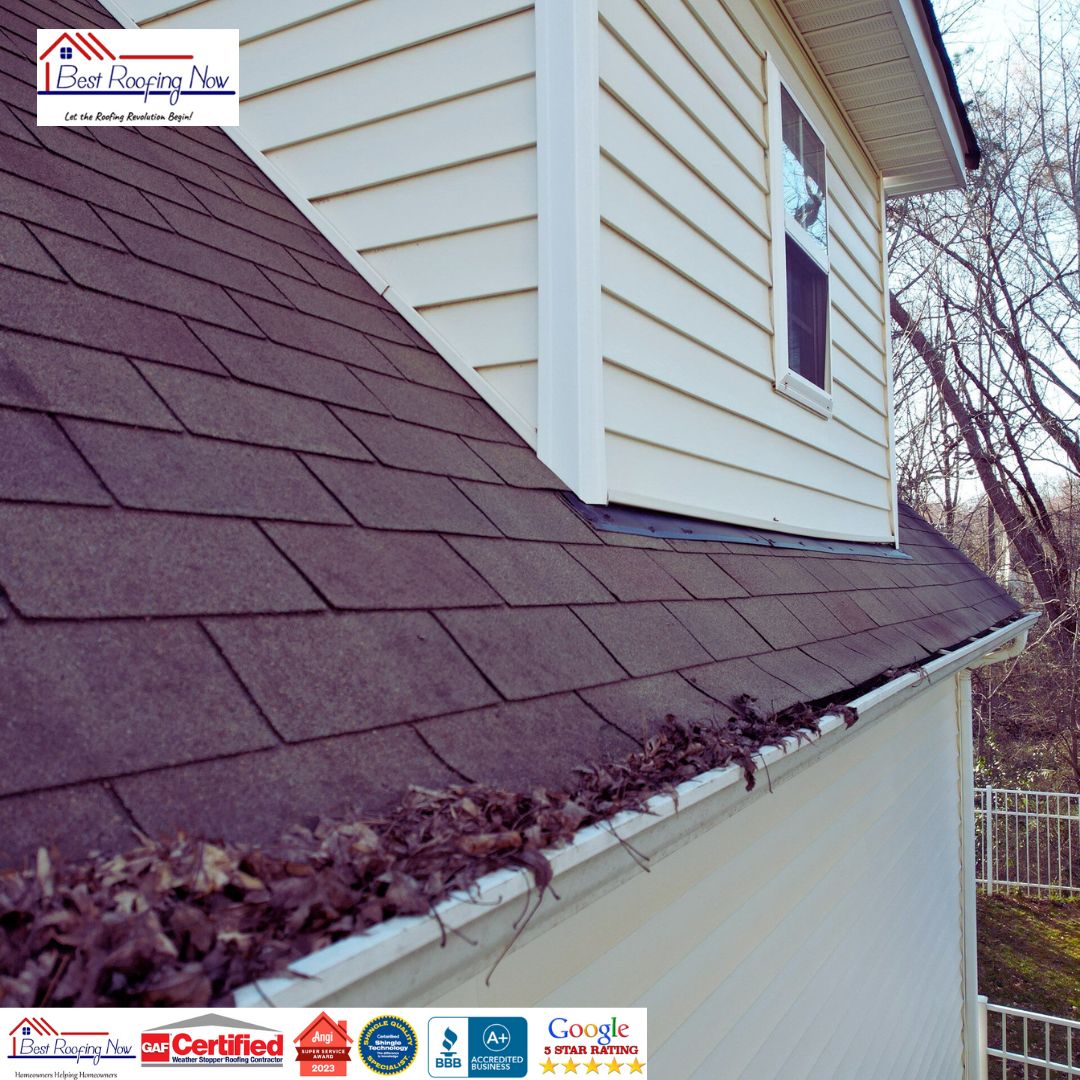
Pro Tip: Add downspout extensions if water isn't flowing far enough from your home. They're inexpensive and prevent major foundation problems down the road.
Proper ventilation prevents moisture buildup that leads to mold, rot, and premature shingle failure. Charlotte's humidity makes this critical.
Ventilation Assessment Steps:
Check soffit vents for blockages. These intake vents under your roof's overhang should be clear of insulation, debris, or paint. Blocked soffits create moisture problems in our humid climate.
Verify ridge vent operation. These exhaust vents along your roof peak work with soffit vents to create airflow. Look for damaged screening or blockages.
Monitor attic temperature. During mild spring weather, your attic should stay within 10-15 degrees of outside temperature. Much hotter indicates ventilation problems.
Inspect for moisture signs. Water stains, mold growth, or frost buildup (rare in Charlotte but possible) signal ventilation issues that need professional attention.
Charlotte's beautiful tree canopy becomes a roofing challenge without proper maintenance.
Tree-Related Tasks:
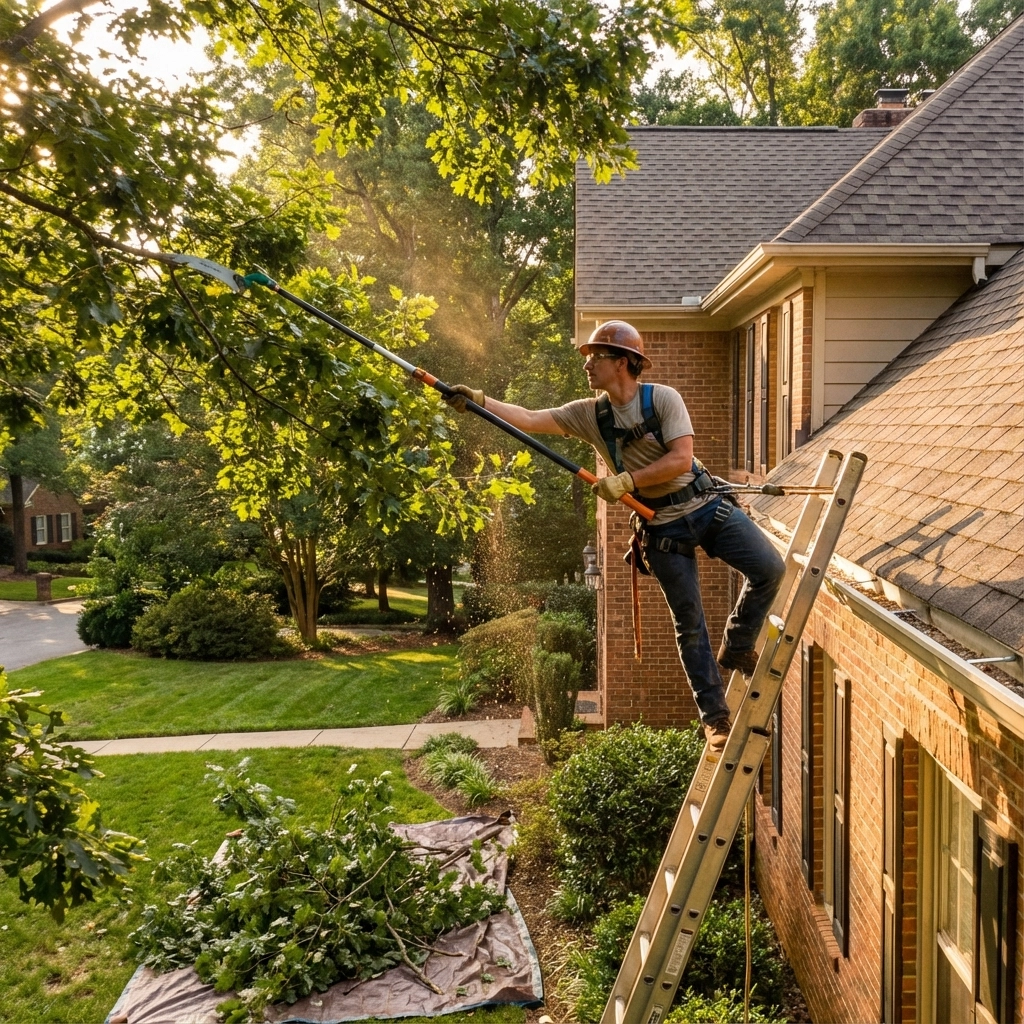
Trim branches within 10 feet of your roof. Overhanging limbs drop debris, scrape shingles during storms, and create shaded areas where algae grows.
Remove moss and algae growth. Our humid springs create perfect conditions for biological growth that can damage shingles over time.
Clear roof debris weekly during spring. Leaves, twigs, and pollen accumulation trap moisture and accelerate deterioration.
When to Call an Arborist:
Tree work near roofs requires expertise. The cost of professional tree service is minimal compared to roof damage from falling branches.
Spring's first heavy rains reveal winter damage. Check inside your home for new water intrusion signs.
Interior Inspection Points:
Examine ceiling stains in all rooms. New or expanding stains indicate active leaks that need immediate attention.
Check attic spaces with a flashlight. Look for water stains on roof decking, wet insulation, or daylight visible through the roof.
Monitor humidity levels. Excessive indoor humidity can indicate ventilation problems or hidden leaks.
Document everything with photos. Insurance claims require proof of when damage occurred.
Our local climate creates unique challenges that coastal or mountain areas don't face.
Heat and Humidity Prep:
Charlotte summers hit roofs with intense UV and temperatures that can reach 150°F on shingle surfaces. Spring maintenance helps materials withstand this stress.
Storm Season Readiness:
Our peak storm season runs May through September. Afternoon thunderstorms can produce damaging winds with little warning. Secure any loose elements now.
Pollen and Debris:
Spring pollen clogs gutters faster than you'd expect. Plan for multiple cleanings during peak pollen season.
Knowing your limits protects both your safety and your wallet.
Safe DIY Tasks:
Professional-Required Tasks:
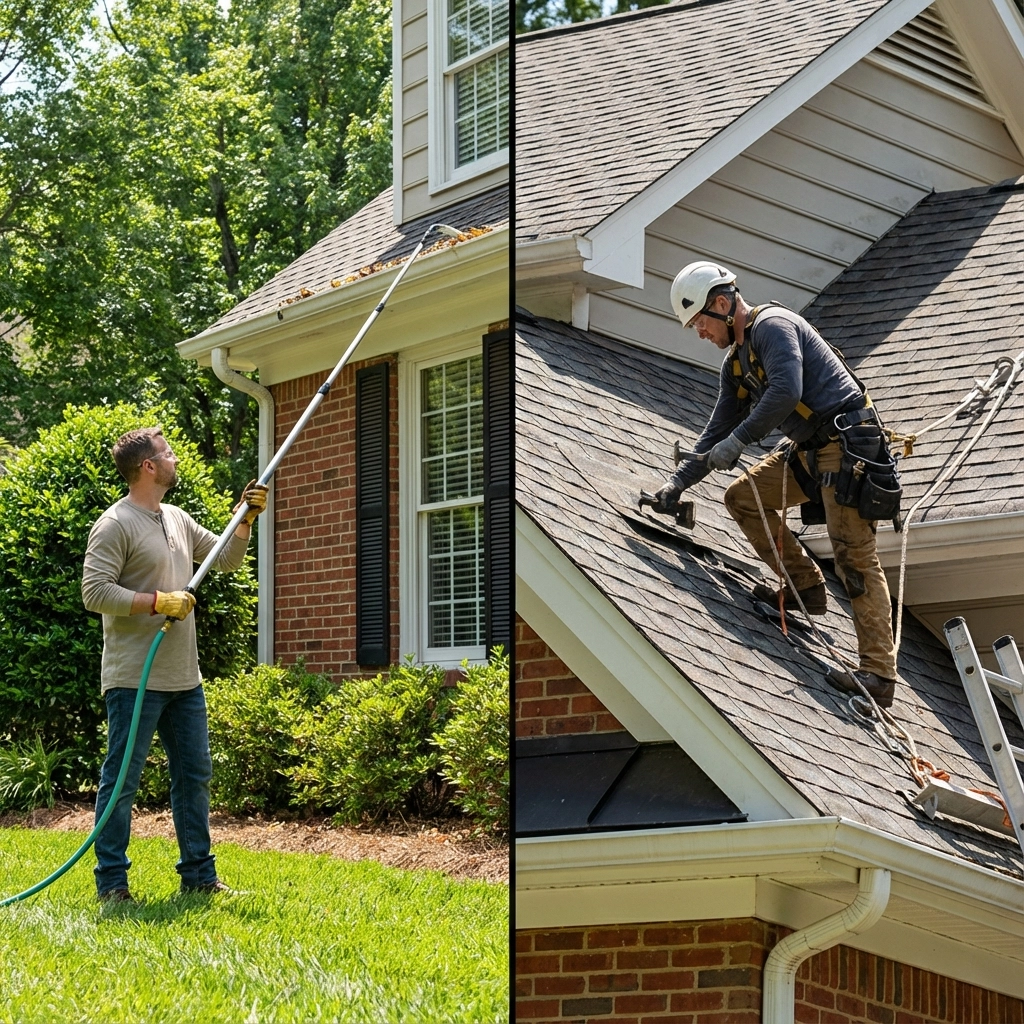
I've seen too many well-intentioned homeowners create bigger problems by attempting complex repairs. When in doubt, get a professional opinion.
Consistency matters more than perfection. Set up a simple system you'll actually follow.
Quarterly Inspections:
Monthly Tasks:
After Every Major Storm:
Document any new damage immediately. Insurance claims are easier when you have before-and-after documentation.
Modern tools make roof maintenance easier and safer for DIY homeowners.
Useful Tech:
These tools help identify problems early when repairs are simpler and less expensive.
Some problems can't wait for your regular maintenance schedule.
Emergency Situations:
Don't try to fix emergency situations yourself. Temporary tarps or buckets can minimize damage until professionals arrive, but permanent repairs require expertise.
Spring inspections help you make informed decisions about your roof's future.
Repair Indicators:
Replacement Considerations:
I always tell homeowners: if you're spending more than 50% of replacement cost on repairs, it's time to consider a new roof.
Timing your maintenance around our weather improves results and safety.
Best Timing:
Weather to Avoid:
Charlotte's weather changes quickly. Always check forecasts before starting roof work.
Even DIY-focused homeowners benefit from professional relationships.
Finding Reliable Contractors:
Establish relationships before you need emergency repairs. Storm damage creates high demand for qualified roofers.
Smart budgeting prevents small problems from becoming financial emergencies.
Annual Maintenance Costs:
Set aside funds monthly rather than scrambling when problems arise. Emergency repairs always cost more than planned maintenance.
Spring roof maintenance isn't complicated, but it requires consistency and attention to detail.
Start with the ground-level inspection this weekend. Document what you find with photos. Create a simple checklist based on your specific roof and property conditions.
For Charlotte homeowners ready to take proactive care of their roofing investment, we're here to help with professional inspections, repairs, or complete replacements.
Don't wait for leaks to remind you about roof maintenance. Your future self (and your wallet) will thank you for staying ahead of problems.
Ready to get serious about protecting your home? Contact Best Roofing Now for a comprehensive spring roof inspection. We'll identify potential issues, provide honest assessments, and help you prioritize maintenance tasks that matter most for your specific roof and budget.
Best Roofing Now
Charlotte's trusted roofing experts since 2019
Based on this article, you may be interested in these services.
We proudly serve these Charlotte-area communities with professional roofing services.
View All Service Areas →See our recent roofing work across the Charlotte metro area.
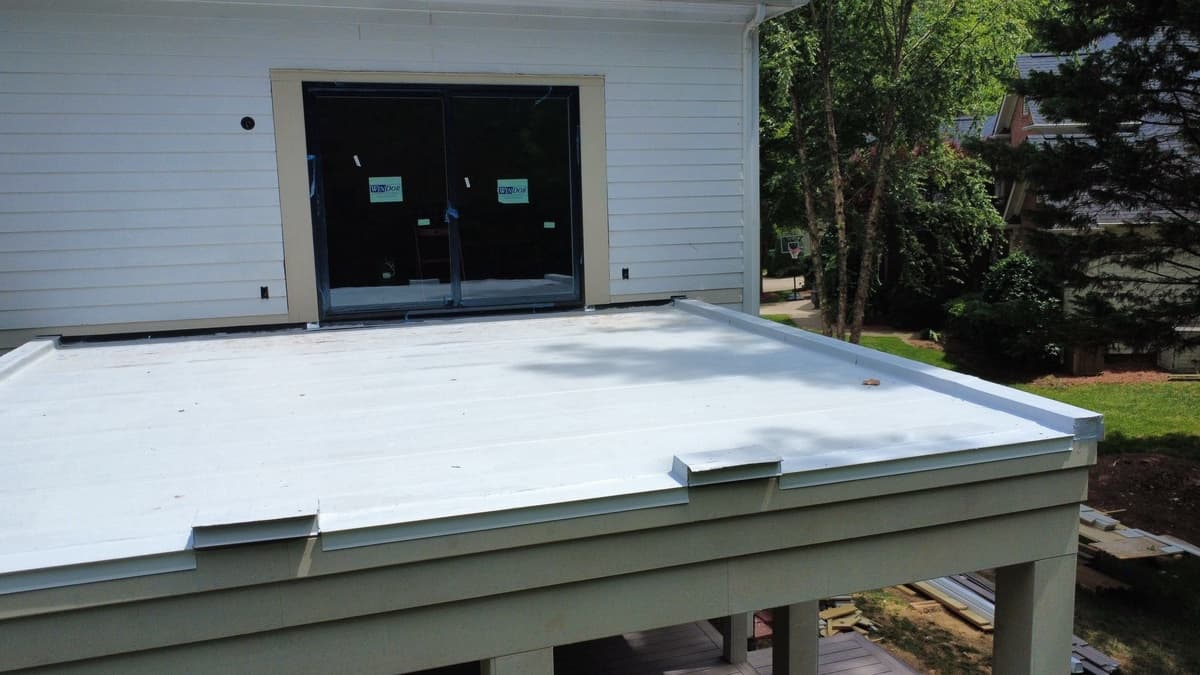
Charlotte, NC
completed exterior

Charlotte, NC
new roof
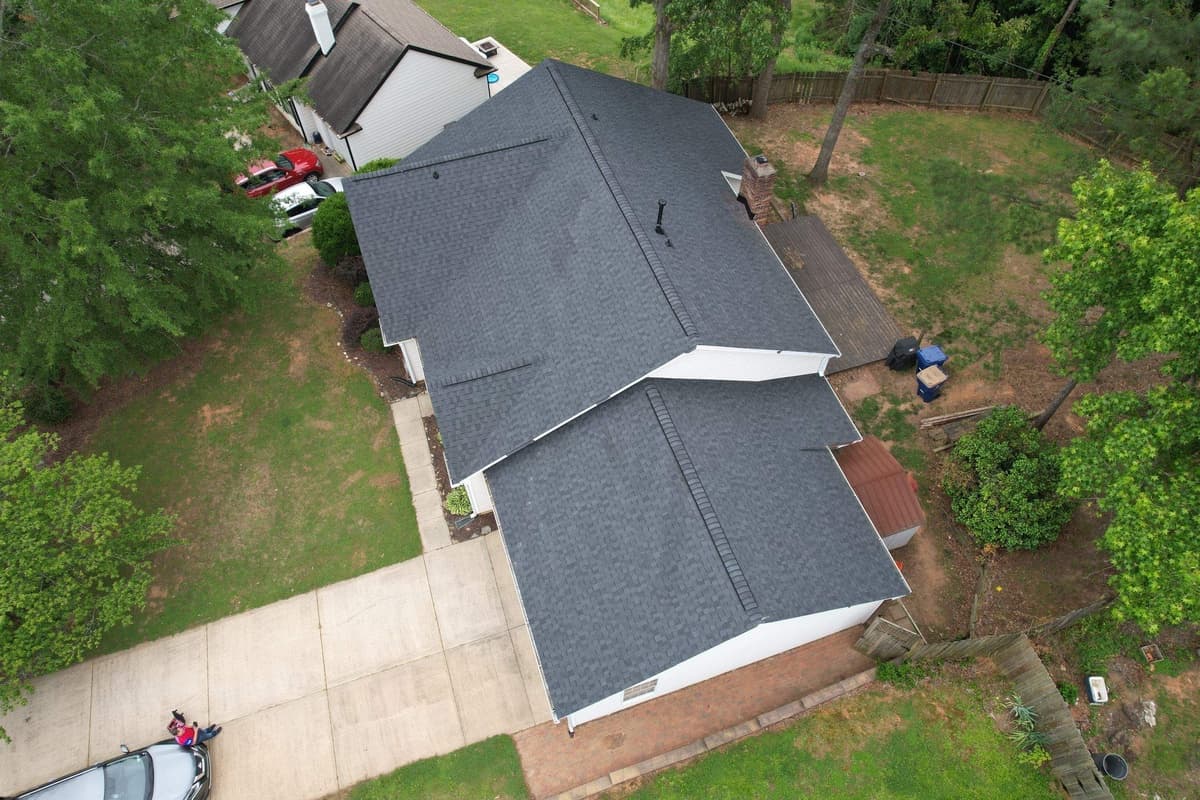
Charlotte, NC
new roof
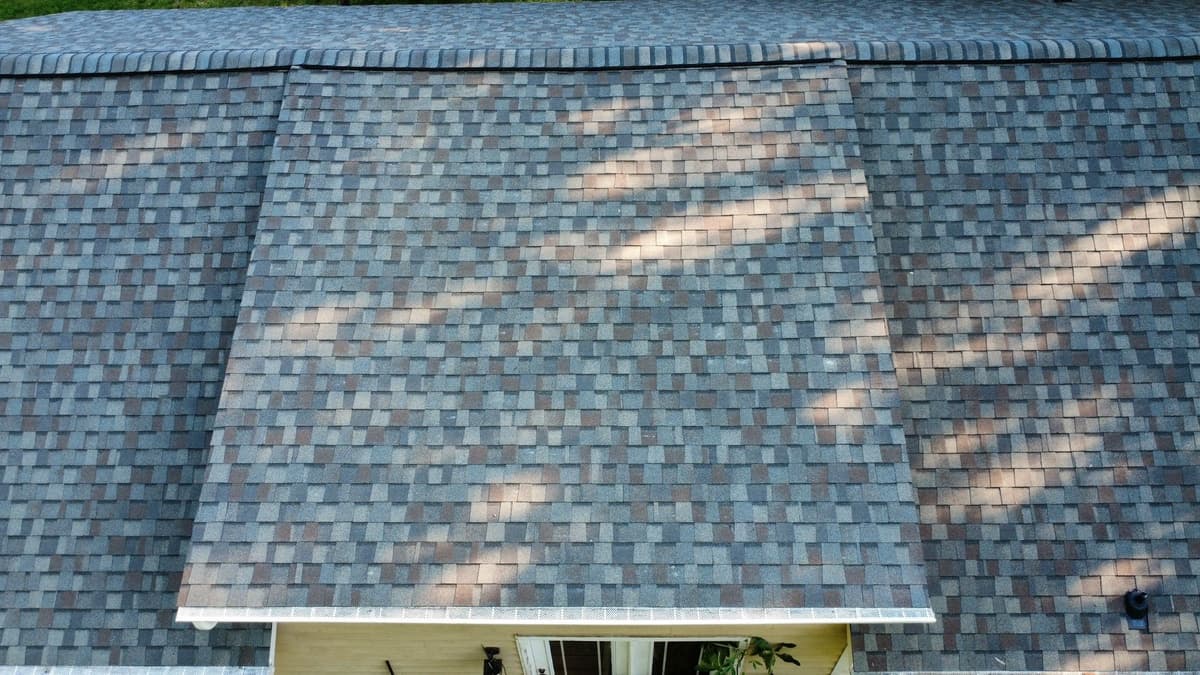
Charlotte, NC
repair
Get a free roof inspection and honest assessment from Charlotte's most trusted roofing company.


