
Roofing Tips & Guides
Expert Roofing Advice for Charlotte Homeowners
Learn from Charlotte's trusted roofing experts. Tips on maintenance, repair, replacement, and protecting your home from the elements.
Leak or wind damage from Isaias? 24/7 emergency tarping, free storm-damage inspections and insurance-claim help.
Learn from Charlotte's trusted roofing experts. Tips on maintenance, repair, replacement, and protecting your home from the elements.
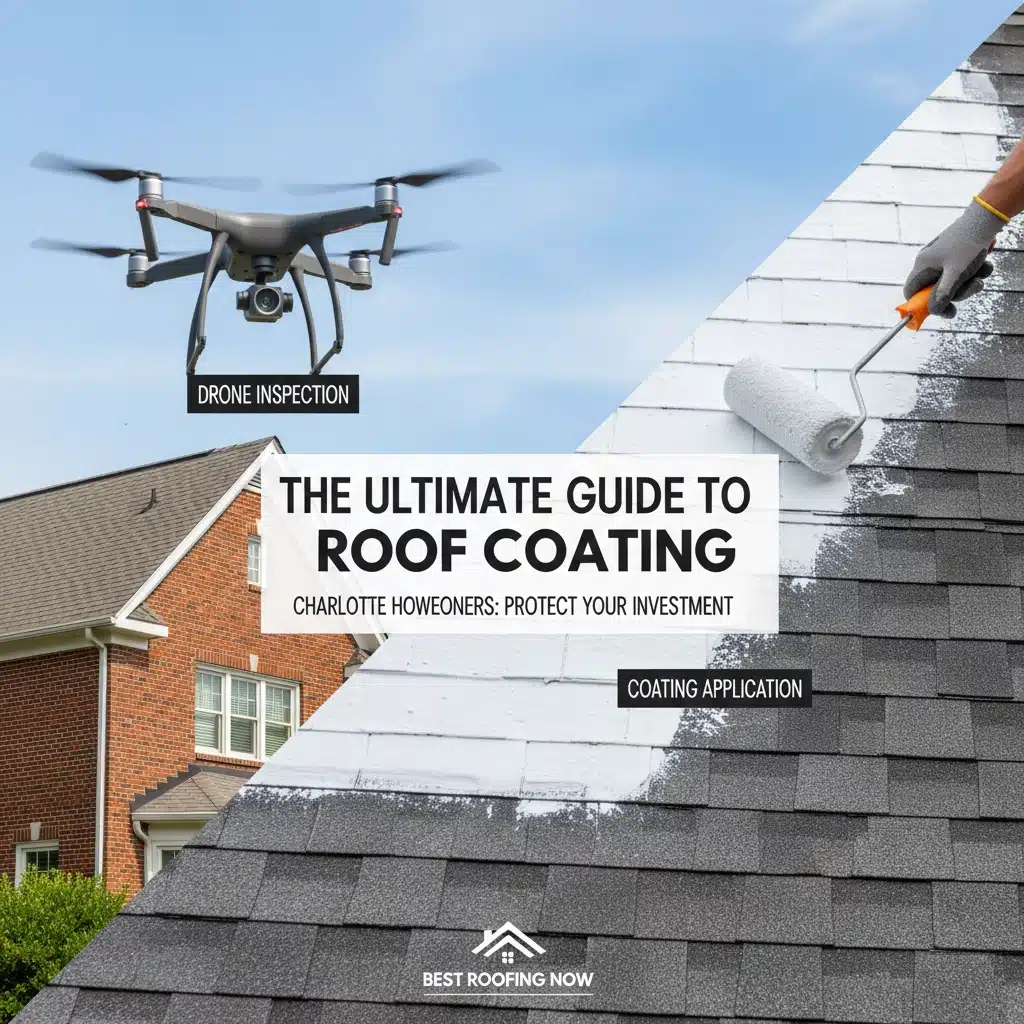
Your roof takes a beating in Charlotte. Summer heat, afternoon storms, and humid nights all work together to age your roof faster than you'd like. But here's something most homeowners don't know: roof coatings can add years to your roof's life while cutting your energy bills.
I've been in the roofing business long enough to see how game-changing the right coating can be. And with Charlotte's unique climate, understanding your options isn't just smart: it's essential for protecting your investment.
Charlotte sits in a sweet spot that's not so sweet for roofs. We get intense UV rays in summer, surprise hail storms, and humidity that never seems to quit. Your roof expands and contracts daily. Over time, this creates tiny cracks that let water sneak in.
Roof coatings are like sunscreen for your house. They're liquid-applied but cure to form a seamless, rubber-like membrane that can last for years. Think of it as giving your existing roof a protective shield.
But not all coatings work the same way. And in Charlotte, picking the wrong one can cost you big time.
Let me break down your options without the sales pitch. Each coating type has strengths and weaknesses.
Elastomer Coatings come in three flavors: acrylic, silicone, and urethane. The key word here is "elastic": they stretch with your roof as temperatures change. In Charlotte, where we can see 70-degree temperature swings, this flexibility matters.
Silicone Coatings are the water champions. They handle ponding water better than any other type. If your roof has low spots where water sits after storms, silicone might be your answer. The downside? They're slippery when wet and can attract dirt.
Acrylic Coatings are the budget-friendly option. They're water-based, reflect UV rays well, and cost less than other types. But they don't handle ponding water as well as silicone. For most pitched roofs in Charlotte, acrylics work great.
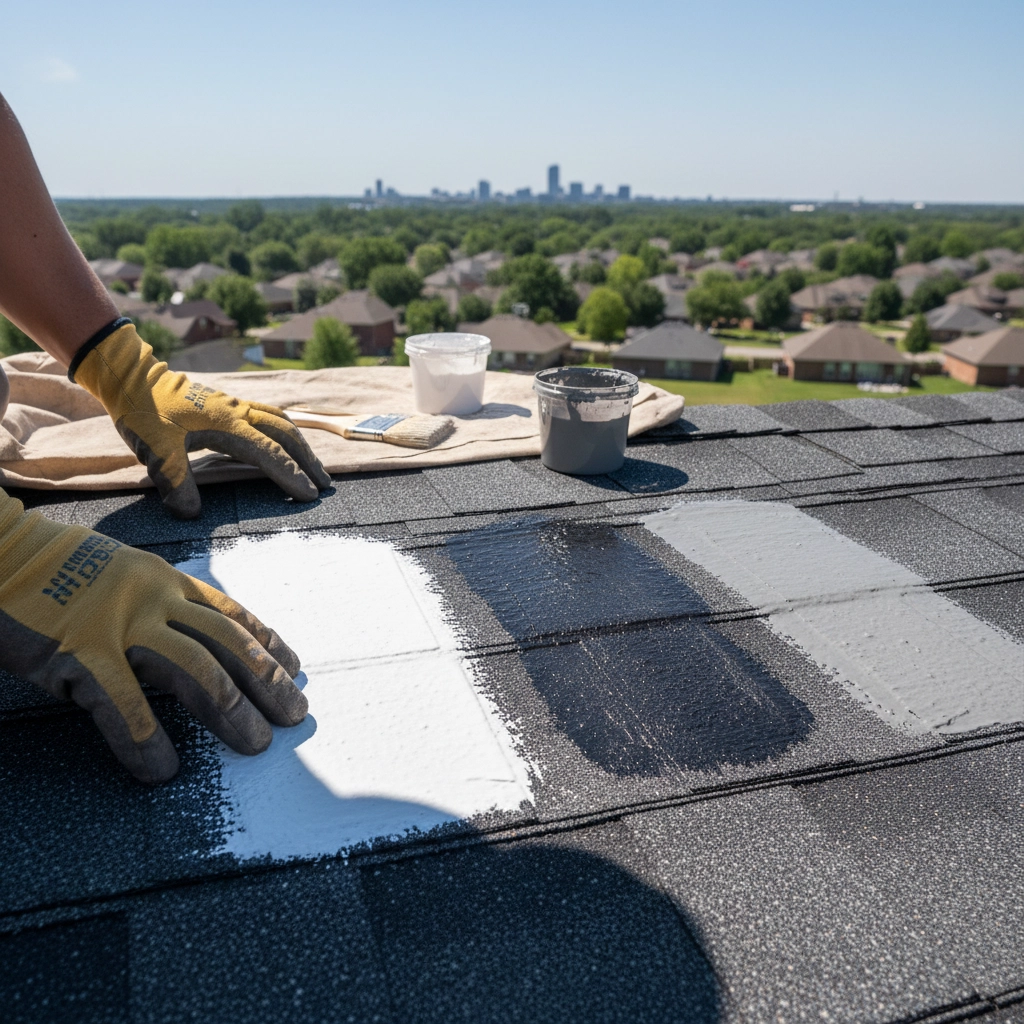
Polyurethane Coatings are the tough guys. They can handle foot traffic and impacts better than other coatings. If you have HVAC equipment on your roof or need to access it regularly, polyurethane makes sense.
Cementitious Coatings mix concrete particles with acrylic paint. They're not waterproof on their own, so you need to prep the surface first. Honestly, I don't recommend these for most Charlotte homes.
PUD Hybrid Coatings use both insulation particles and reflective pigments. They're water-based and flexible, making them crack-resistant. These are newer to the market but show promise.
Here's the reality: roof coating isn't cheap, but it's way cheaper than replacement. In Charlotte, expect to pay $425 to $550 per square foot. That range can swing from $362 to $612 depending on several factors.
Your roof's condition makes the biggest difference. A roof in good shape costs less to coat than one needing repairs first. The coating type matters too: silicone costs more than acrylic.
Labor rates vary across Charlotte. Contractors in Myers Park charge more than those in Concord. But don't just shop on price. A botched coating job costs more to fix than doing it right the first time.
Coating isn't just painting your roof white and calling it done. The prep work determines whether your coating lasts 10 years or fails in two.
Step 1: Inspection and Repair comes first. We look for loose shingles, damaged flashing, and any spots where water might get through. These get fixed before any coating goes on. Coating over problems just hides them: it doesn't solve them.
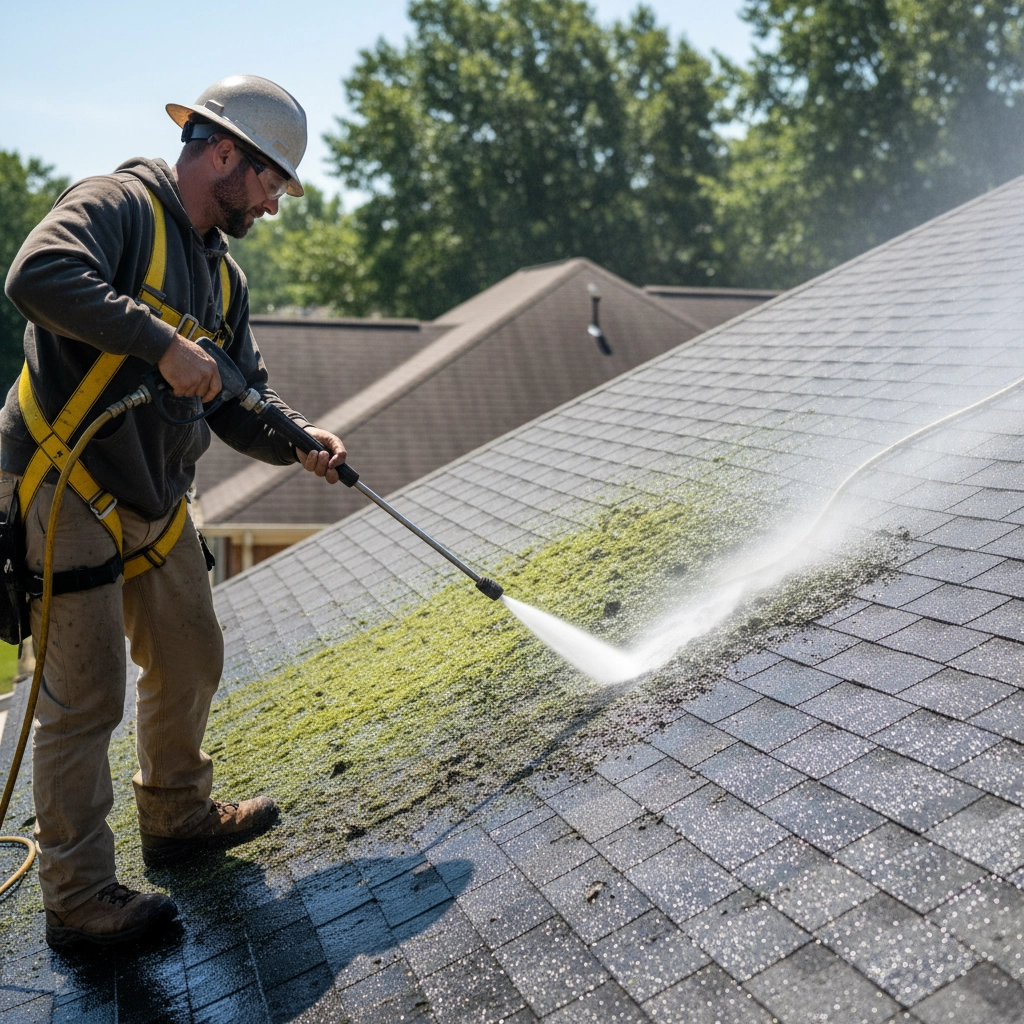
Step 2: Cleaning is crucial but often skipped by cheaper contractors. We power-wash off dirt, moss, and algae. Everything has to be bone dry before coating. In Charlotte's humidity, that sometimes means waiting an extra day.
Step 3: Surface Treatment addresses specific issues. Some roofs need a primer. Others need a bonding agent. This step separates good contractors from hacks.
Step 4: Priming isn't always needed, but when it is, it's critical. The manufacturer's instructions tell us when to prime. Skip this step and your coating might peel off in sheets.
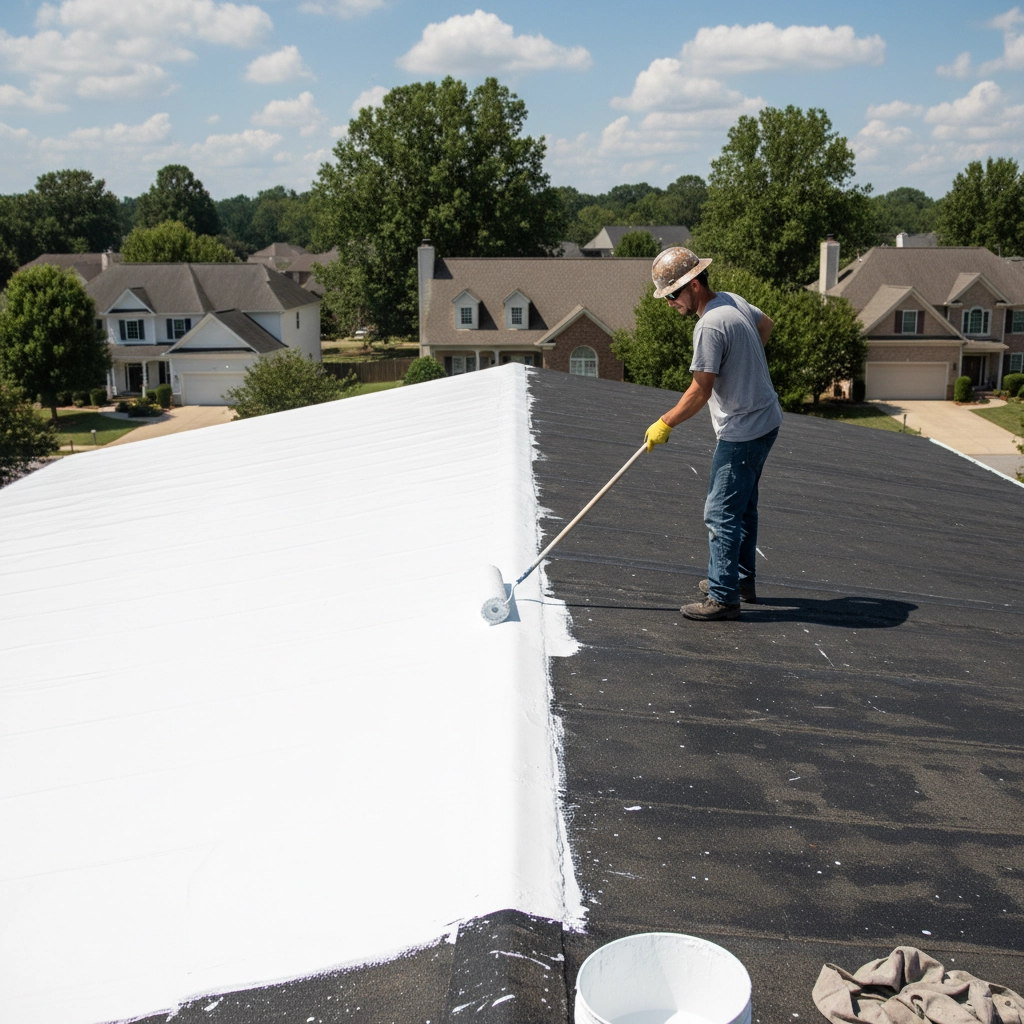
Step 5: Applying the Coating requires skill and patience. We use rollers, brushes, or sprayers depending on the coating and roof type. Most coatings need two coats with drying time between. Rush this, and you'll regret it.
Roof coatings deliver three main benefits that actually matter:
Energy Savings happen because coatings reflect sunlight instead of absorbing it. Your attic stays cooler, so your AC works less. In Charlotte summers, that adds up fast. Most homeowners see 10-30% lower cooling costs.
Extended Roof Life comes from UV protection. The sun's rays break down roofing materials over time. Coatings block most UV radiation, slowing this aging process. A coating can add 10-15 years to your roof's life.
Weather Protection improves with a seamless membrane over your existing roof. Small leaks get sealed. The coating expands and contracts as one unit, reducing stress on individual shingles.
Our local climate creates unique challenges that affect coating performance.
Humidity is our biggest enemy. Charlotte averages 70% humidity year-round. Cool roofs can draw moisture, creating conditions for algae and mold growth. We combat this with proper ventilation and anti-microbial additives.
Roof Pitch determines which coatings work best. Low-slope roofs (common on additions and garages) benefit most from coatings because they absorb more direct sunlight. Steep roofs don't heat up as much, so the energy savings are smaller.
Storm Season runs from June through November. Coatings need time to cure properly before the first storm hits. We plan most coating projects for late spring or early fall.
Tree Coverage affects coating selection. Homes under heavy tree cover don't need maximum reflectivity but do need superior moisture resistance and mold prevention.
I've seen too many DIY coating disasters. The materials aren't cheap, and the labor is skilled work. Here's what goes wrong when inexperienced people attempt roof coatings:
Poor Surface Prep accounts for 80% of coating failures. Homeowners skip cleaning or miss damaged areas that need repair first.
Wrong Product Selection happens when people buy based on price alone. Different roof materials need different coatings.
Application Errors include wrong thickness, poor coverage, and ignoring weather conditions. Coating in high humidity or before rain ruins the job.
Safety Issues are real. Professional roofers have insurance, safety equipment, and experience working on sloped surfaces.
A proper installation includes a warranty. If something goes wrong with professional work, it gets fixed. DIY mistakes come out of your pocket twice: once for materials and again for professional repair.
Roof coatings work well in Charlotte when done right. They're not magic, but they're proven technology that delivers real benefits.
The best candidates for roof coatings are:
Coatings aren't right for:
If your roof is 10+ years old and your summer electric bills make you wince, a coating evaluation makes sense. We'll inspect your roof, explain your options, and give you an honest assessment of whether coating is worth it for your specific situation.
Don't wait until your next major storm reveals problems you could have prevented. Schedule your free roof inspection today, and let's see how roof coating can protect your biggest investment while cutting your energy costs.
Best Roofing Now
Charlotte's trusted roofing experts since 2019
Based on this article, you may be interested in these services.
We proudly serve these Charlotte-area communities with professional roofing services.
View All Service Areas →See our recent roofing work across the Charlotte metro area.
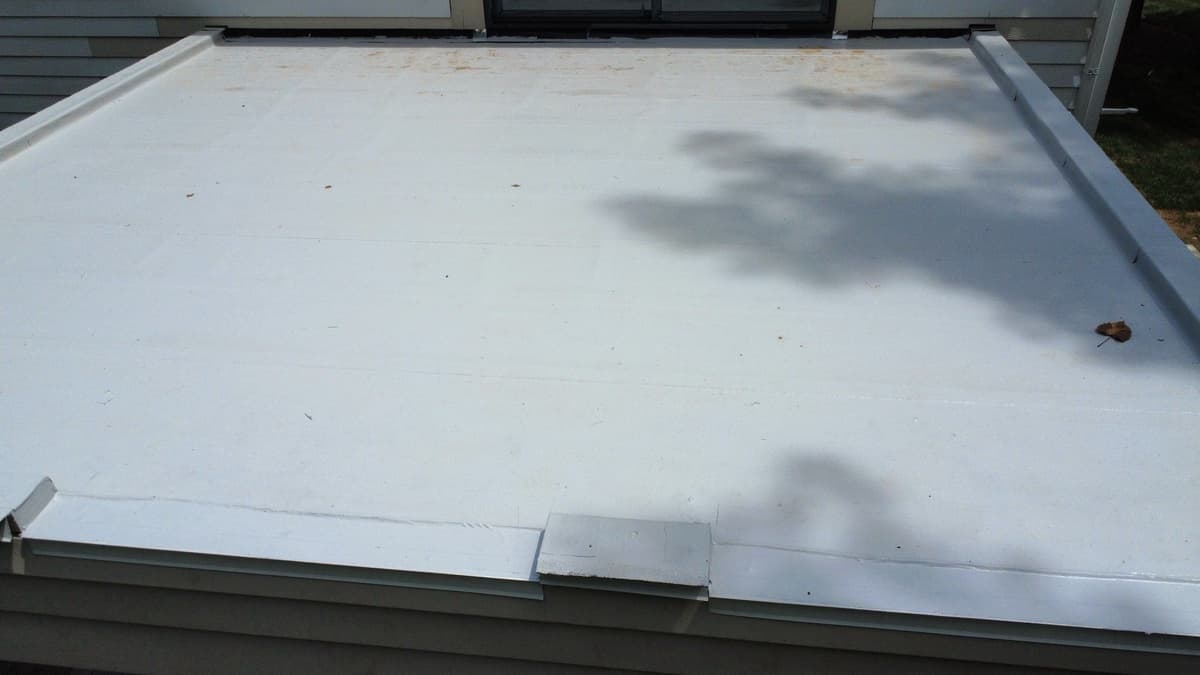
Charlotte, NC
new roof
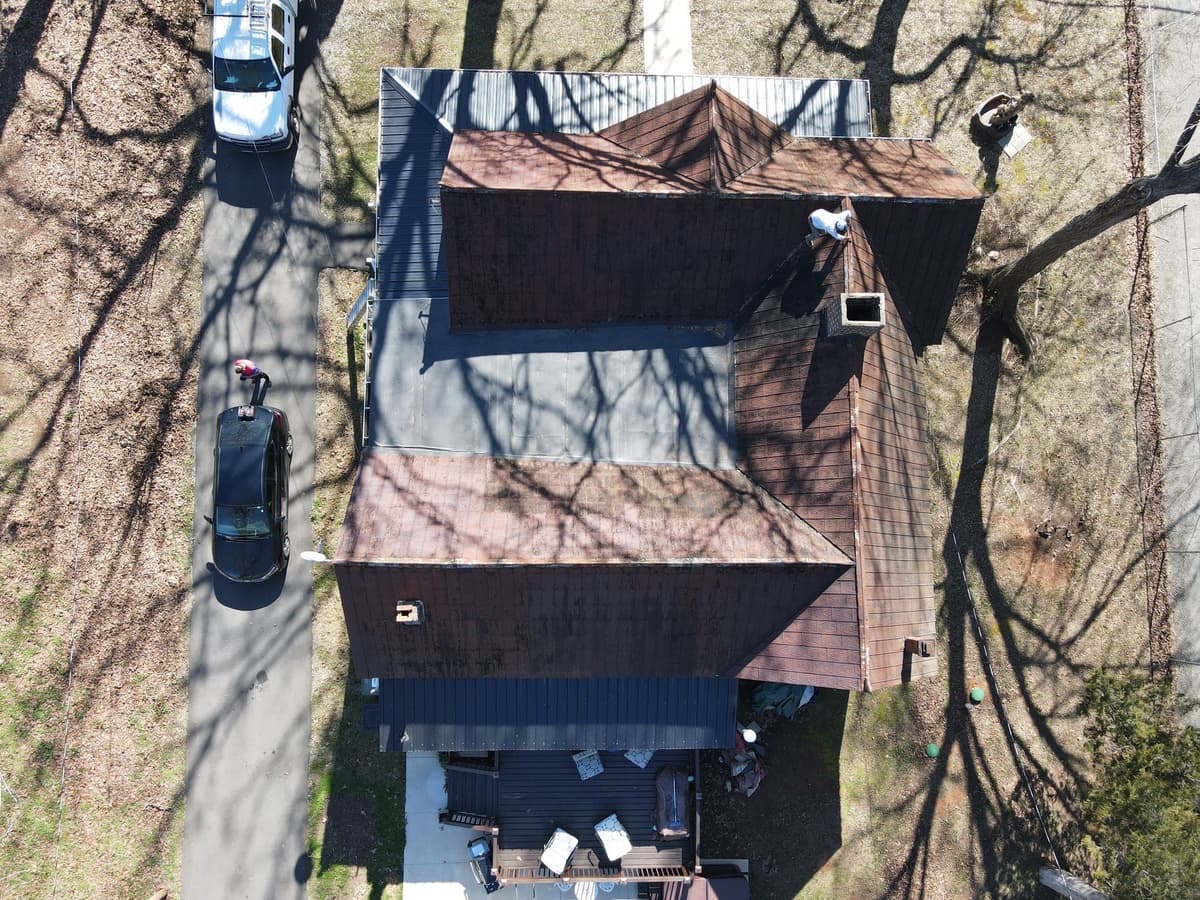
Charlotte, NC
new roof
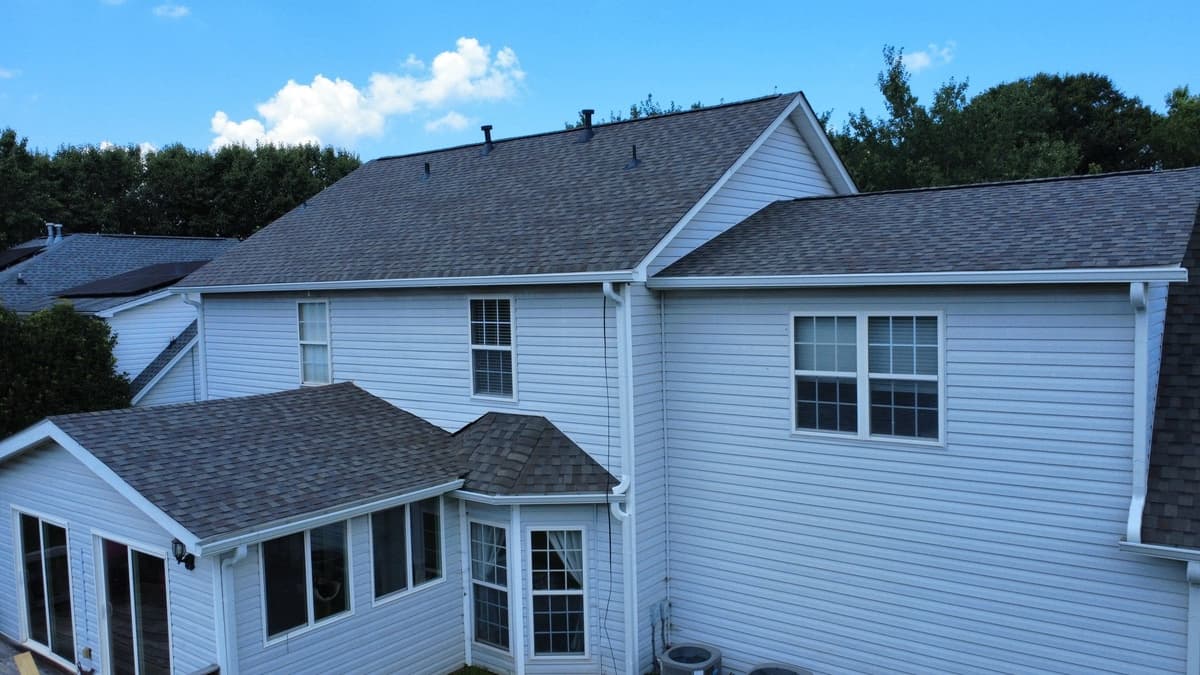
Charlotte, NC
new roof
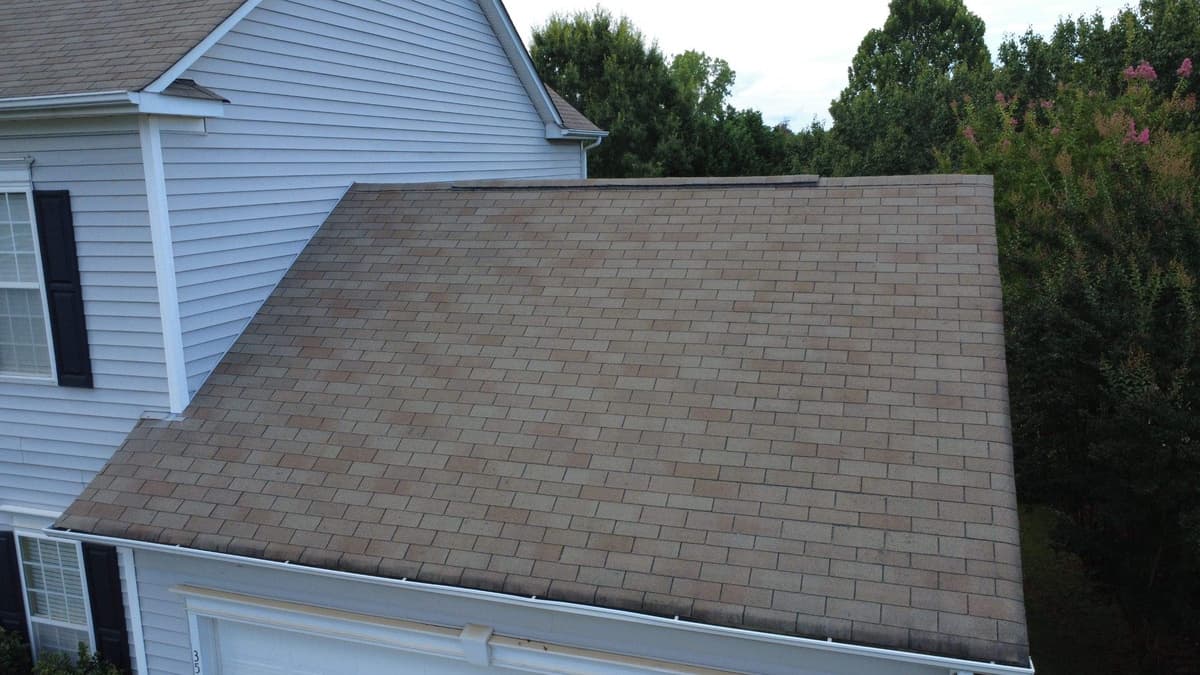
Charlotte, NC
work in progress
Get a free roof inspection and honest assessment from Charlotte's most trusted roofing company.