
Roofing Tips & Guides
Expert Roofing Advice for Charlotte Homeowners
Learn from Charlotte's trusted roofing experts. Tips on maintenance, repair, replacement, and protecting your home from the elements.
Leak or wind damage from Isaias? 24/7 emergency tarping, free storm-damage inspections and insurance-claim help.
Learn from Charlotte's trusted roofing experts. Tips on maintenance, repair, replacement, and protecting your home from the elements.

You hear that drip-drip sound during a rainstorm. Your heart sinks. A wet spot appears on your ceiling. And suddenly, you're scrambling for buckets.
Sound familiar? You're not alone.
Here in Charlotte and Lake Norman, roof leaks are one of the most common calls we get at Best Roofing Now. Our humid summers, heavy spring rains, and occasional ice storms put roofs through the wringer. But here's the good news: most roof leaks come from just a handful of causes. And many of them have simple fixes.
Let's break down the top 7 reasons your roof is leaking. We'll show you what causes each problem. We'll explain the simple fixes you can try. And we'll tell you when it's time to call in the pros.
This one might surprise you. Pipe boot failure is actually the most common cause of roof leaks. Not missing shingles. Not storm damage. Pipe boots.
So what's a pipe boot? It's a piece of flashing that wraps around the base of pipes sticking up through your roof. You'll find these pipes above bathrooms, kitchens, and laundry rooms. They vent gases from your plumbing system.
Most pipe boots are made from neoprene. That's a fancy word for synthetic rubber. The problem? Neoprene breaks down over time. The Carolina sun beats down on it year after year. It cracks. It shrinks. And water finds its way in.
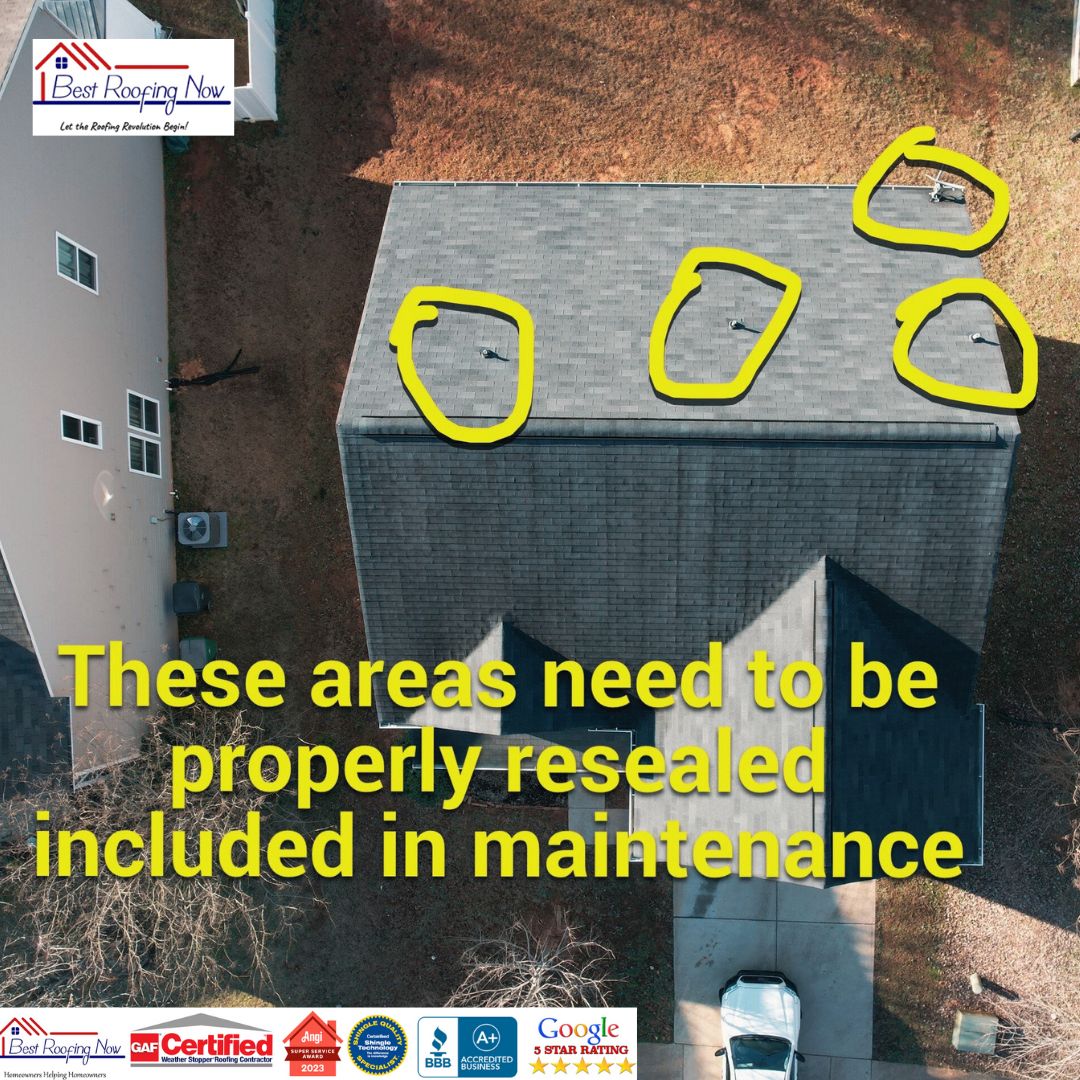
Check your pipe boots during your annual roof inspection. Look for cracks or gaps around the base. If you spot damage, you have two options:
Here's the thing. A tube of sealant costs a few bucks. But it's a band-aid, not a cure. For a fix that lasts, we recommend replacing the boot entirely. A quality pipe boot replacement runs about $150-$300 installed. That's way cheaper than water damage repairs.
If you see multiple cracked pipe boots, call us. If you're not comfortable on a roof, call us. And if water is already coming inside? Definitely call us. We offer free roof inspections to help you catch these problems early.
This one frustrates us. Because it's 100% preventable.
Every shingle on your roof gets held in place by nails. Simple enough, right? But those nails need to go in just right. Not too high. Not crooked. Not sticking up.
When a nail doesn't get driven all the way down, it creates a tiny bump under the shingle. Over time, that nail works its way back up. Water hits the nail head. It follows the nail shaft down. And suddenly you've got a leak that seems to come from nowhere.
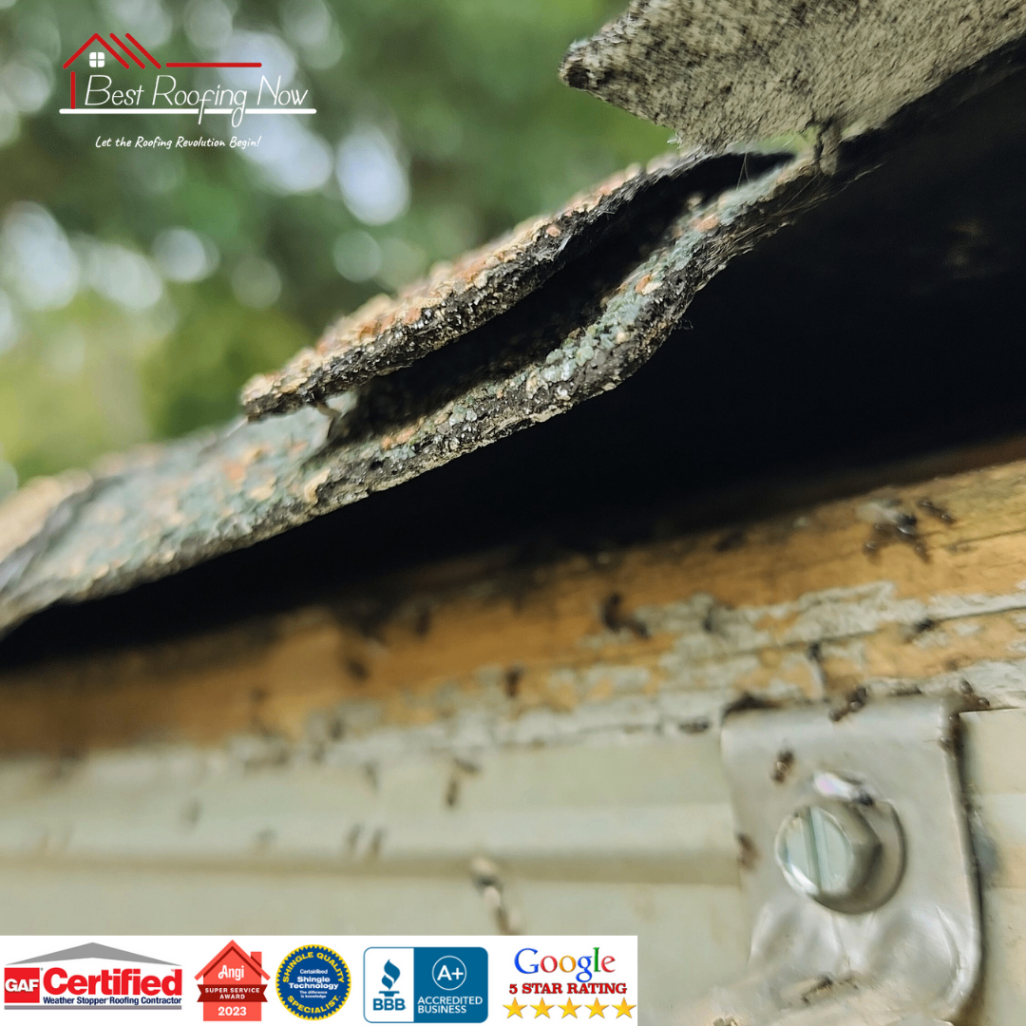
The frustrating part? You can't see improperly driven nails from the ground. They hide under shingles. The only way to find them is through a close inspection.
This is a tough one for DIY. Finding problem nails takes experience. But if you're comfortable on a roof, here's what to look for:
When you find a problem nail, you need to either drive it properly or replace the shingle entirely.
Honestly? This is one we recommend leaving to the pros. Our team knows exactly what to look for. We can spot problem nails that most homeowners would miss. And we fix them right the first time.
Flashing is your roof's secret weapon against water. It's thin strips of metal (usually aluminum or galvanized steel) installed at joints and transitions. You'll find flashing:
Think of flashing as your roof's armor at its weakest points. When flashing fails, water pours through like a open door.
Flashing problems happen a few ways. The metal can crack from age. Sealant can dry out and pull away. Or: and we see this a lot: flashing was never installed right in the first place.
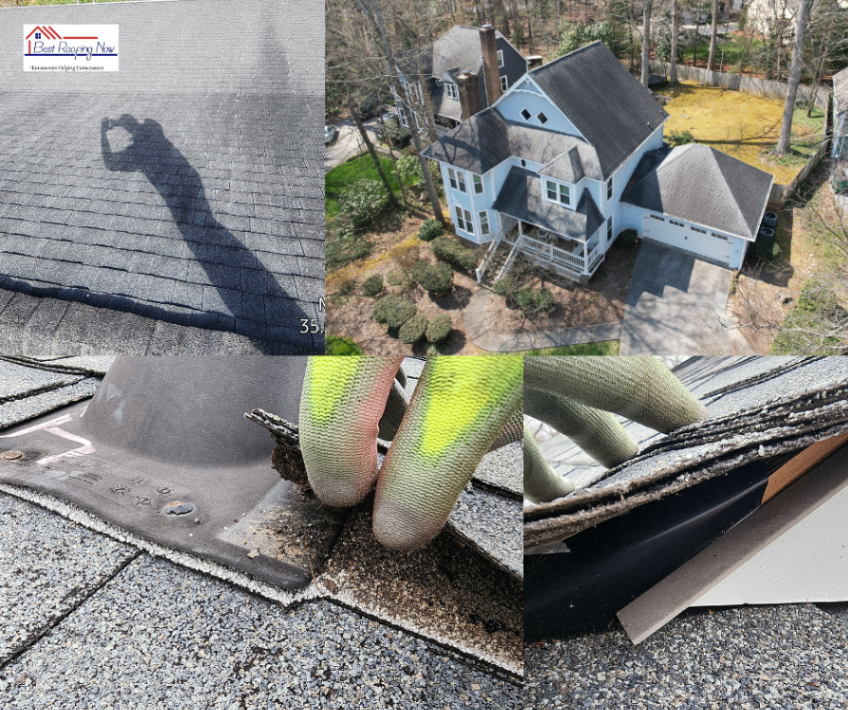
Minor flashing issues sometimes respond to fresh sealant. Roofing cement (you can find it at any hardware store) works for small gaps. Apply it with a caulk gun and smooth it flat.
But be careful. If the flashing itself is cracked, bent, or corroded, sealant won't save it. You need new flashing.
Flashing replacement requires removing shingles, properly positioning new metal, and reinstalling everything to create a watertight seal. It's precision work. One mistake and you've just created a new leak spot.
If you're dealing with flashing around your chimney or in a roof valley, give us a call. These are high-risk areas that need professional attention.
Charlotte and Lake Norman are beautiful. We've got gorgeous trees everywhere. But those trees? They shed leaves, pine needles, twigs, and seeds right onto your roof.
When debris piles up in gutters, water can't flow where it's supposed to go. It backs up. It overflows. And eventually, it finds a way under your shingles.
Roof valleys are especially vulnerable. These are the V-shaped channels where two roof slopes meet. Water naturally flows into valleys. When debris clogs them, you've got a swimming pool forming on your roof.

According to the National Roofing Contractors Association, clogged gutters are one of the most preventable causes of roof damage. Yet most homeowners only think about their gutters when there's already a problem.
Clean your gutters at least twice a year. Once in late fall after leaves drop. Once in spring after pollen season. Here's what works:
For roof valleys, carefully brush away any accumulated debris. Be gentle: you don't want to damage shingles in the process.
⚠️ Pro tip: Consider gutter guards. They won't eliminate all maintenance, but they'll cut it way down.
If your gutters are pulling away from the fascia, that's a job for us. Same if you notice water stains inside your home near exterior walls. These signs point to more serious issues that need professional diagnosis.
Got a fireplace? Then you've got a potential leak source.
Chimneys create multiple opportunities for water to sneak in. The flashing where the chimney meets the roof can fail. The mortar between bricks can crack. The chimney cap can rust or break. And the chimney crown (the cement top) can develop cracks over time.
We see a lot of chimney leaks in older Charlotte neighborhoods. Dilworth, Myers Park, Plaza Midwood: these areas have beautiful older homes with chimneys that have seen decades of weather.
Start with a visual inspection from the ground. Look for:
For minor mortar cracks, you can apply chimney sealant as a temporary measure. Chimney caps can sometimes be replaced as a DIY project if you're comfortable working at heights.
Chimney flashing repair almost always requires a professional. The flashing has to integrate properly with your roofing material. Get it wrong and you'll make the leak worse.
If you see water stains on interior walls near your chimney: or worse, water dripping near your fireplace: don't wait. Call us for a free inspection.
Skylights bring amazing natural light into your home. But they're also notorious leak sources.
Here's why. A skylight is basically a hole in your roof. Even the best skylight depends on proper installation and quality flashing to keep water out. When either fails, you've got problems.
Common skylight leak causes include:
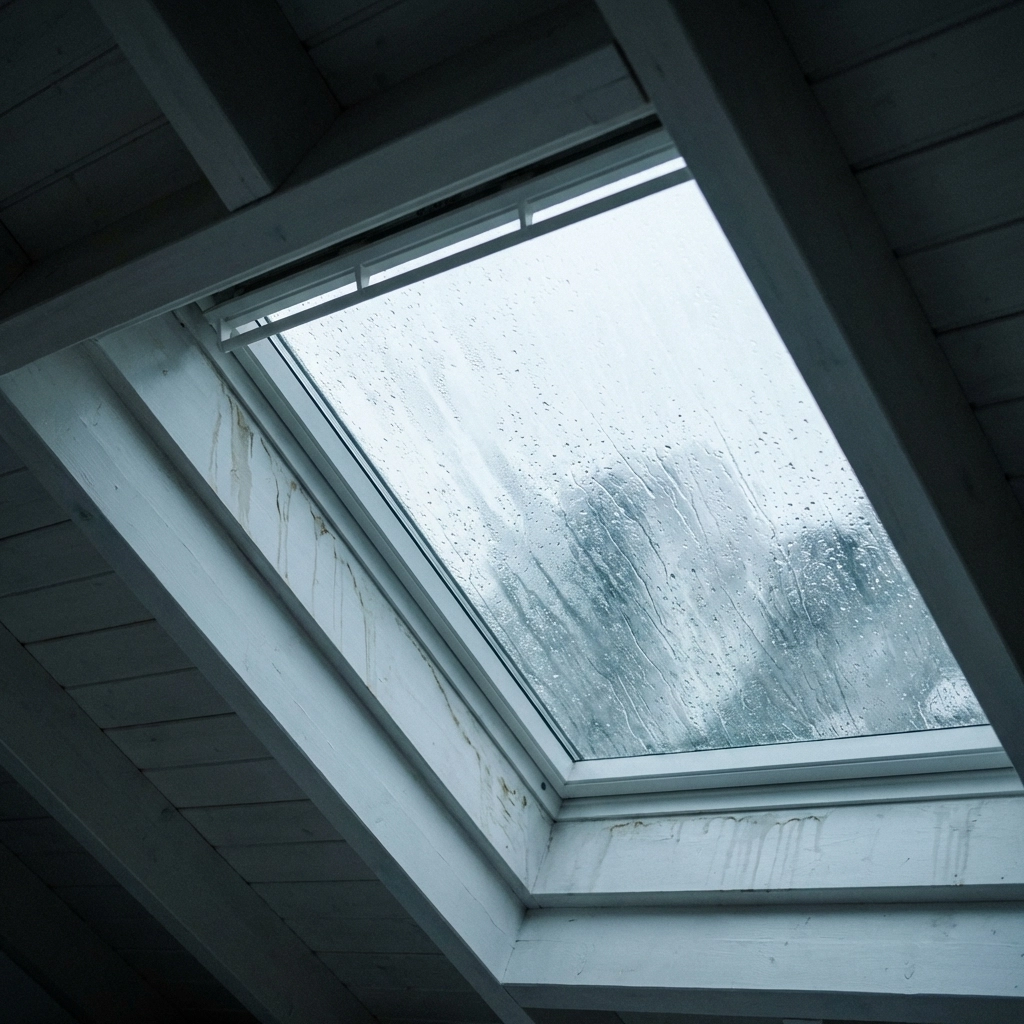
First, figure out if it's actually a leak or condensation. Condensation happens when warm indoor air meets the cold skylight surface. It's more common in winter. You'll see moisture on the inside of the glass.
For actual leaks, check the seals around the skylight frame. Sometimes re-caulking with silicone sealant can stop minor leaks. Clear away any debris that might have accumulated around the skylight.
If re-sealing doesn't work, or if you see water stains spreading from the skylight edges, the flashing probably needs replacement. This is definitely professional territory.
And if your skylight is over 15 years old? It might be time to consider replacement. Modern skylights have much better sealing systems than older models.
Now, I know what you're thinking. "Ice dams? In Charlotte?"
Fair point. We don't get harsh winters like up north. But we do get freezing temperatures several times each winter. And when snow or ice sticks around, ice dams can absolutely happen here.
Here's how ice dams form. Heat escapes from your attic. It warms the roof. Snow melts. The water runs down toward the colder edges (the eaves). It refreezes. Over time, a dam of ice builds up. Water pools behind the dam. And it seeps under your shingles.
Ice dams can cause serious damage fast. We've seen them tear gutters right off houses in Lake Norman.
Prevention is everything with ice dams:
If you already have an ice dam, resist the urge to chop at it. You'll damage your shingles. Instead, use calcium chloride ice melt in a stocking laid across the dam. This creates channels for water to escape.
If ice damming is a recurring problem, you need a professional assessment. The solution usually involves improving your attic insulation and ventilation: not just treating symptoms.
We can evaluate your roof system and recommend permanent fixes. Check out our guides for more information on protecting your roof year-round.
Look, we're always happy to help when you've got a leak. That's what we're here for. But honestly? We'd rather help you prevent leaks in the first place.
The National Roofing Contractors Association recommends annual professional inspections. We agree completely. One inspection can catch problems before they become expensive disasters.
Here's your simple prevention checklist:
✅ Schedule an annual professional roof inspection
✅ Clean gutters twice yearly (spring and fall)
✅ Trim tree branches that hang over your roof
✅ Check attic for signs of water stains or moisture
✅ Inspect after major storms
Most roof repairs cost between $150 and $1,000. A full roof replacement runs $8,000 to $15,000 or more. Prevention pays for itself many times over.
Some leaks you can handle yourself. Most require professional help. Here's a quick guide:
Handle it yourself if:
Call Best Roofing Now if:

Roof leaks are stressful. We get it. That drip-drip sound can keep you up at night worrying about water damage, mold, and repair costs.
But here's the thing. Most leaks have straightforward causes. And they have solutions. The key is catching them early and fixing them right.
At Best Roofing Now, we've helped thousands of homeowners across Charlotte and Lake Norman protect their homes. We know the local weather patterns. We understand the unique challenges of roofs in our area. And we stand behind every repair we make.
Ready to stop that leak for good? Schedule your free roof inspection today. We'll identify exactly what's causing your leak and give you honest options for fixing it( fast.)
Best Roofing Now
Charlotte's trusted roofing experts since 2019
Based on this article, you may be interested in these services.
We proudly serve these Charlotte-area communities with professional roofing services.
View All Service Areas →See our recent roofing work across the Charlotte metro area.
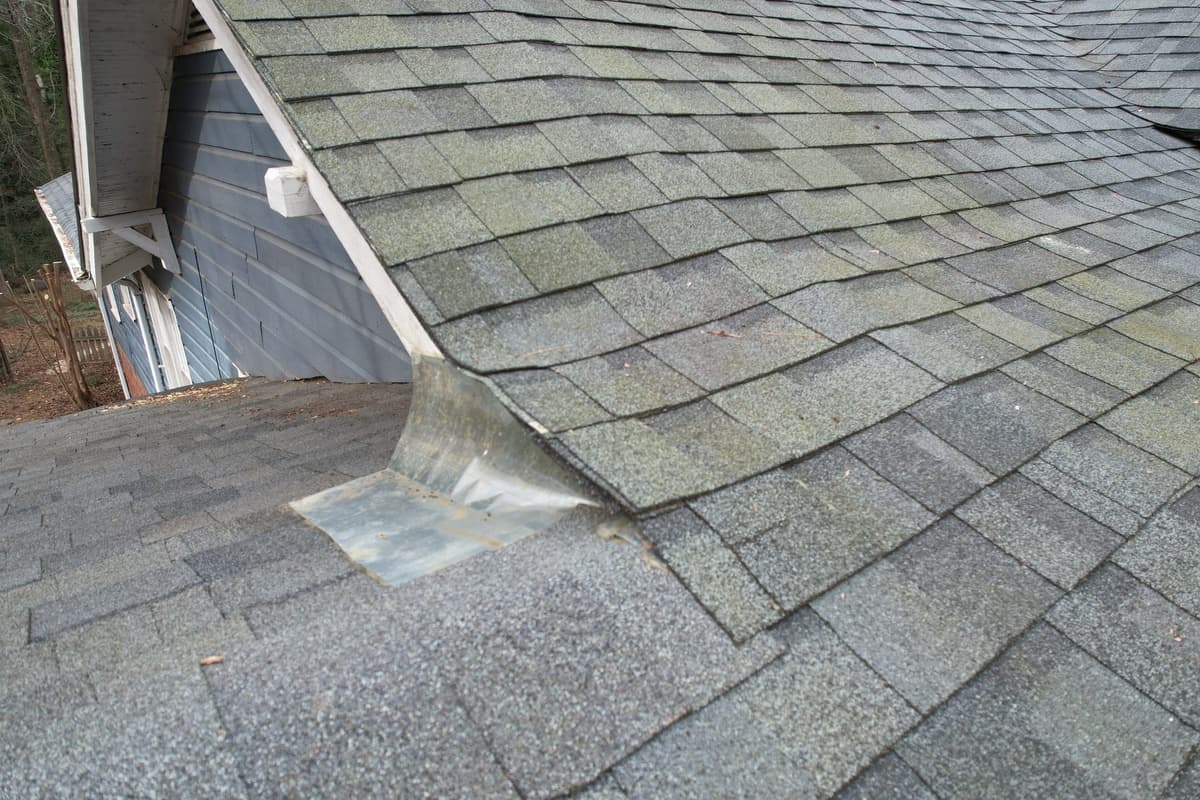
Charlotte, NC
new roof
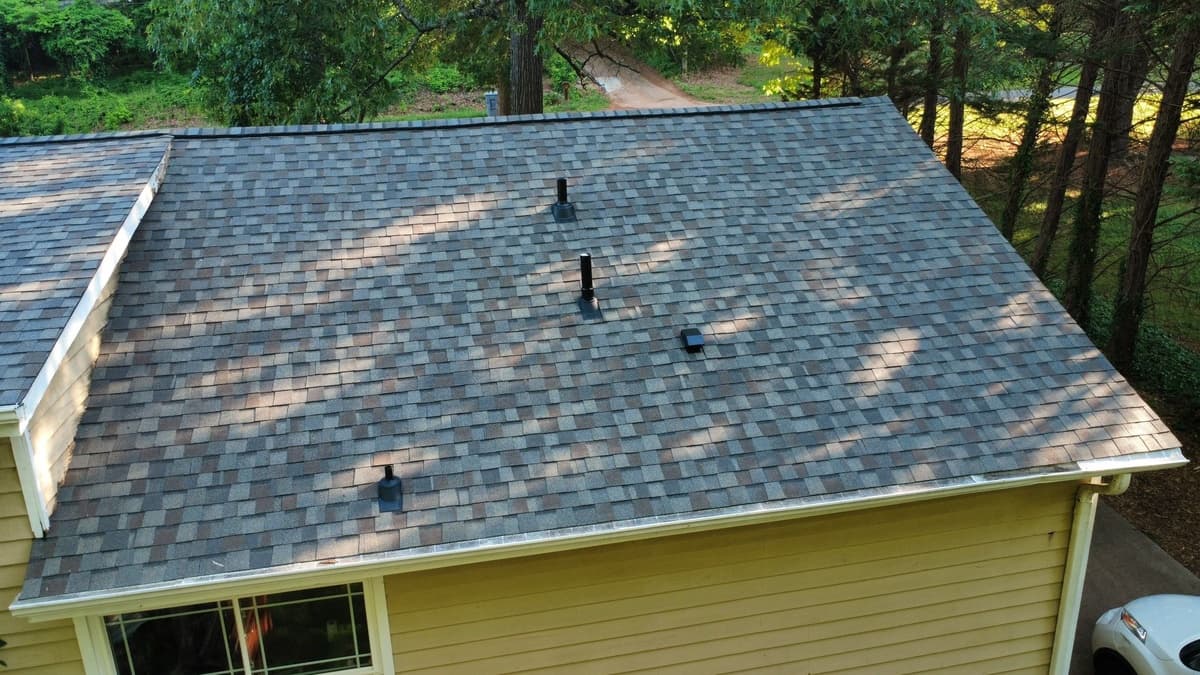
Charlotte, NC
new roof
Charlotte, NC
new roof
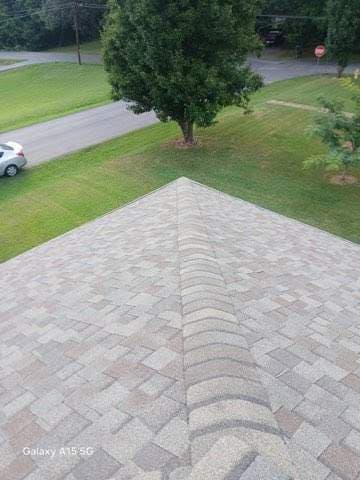
Charlotte, NC
new roof
Get a free roof inspection and honest assessment from Charlotte's most trusted roofing company.


