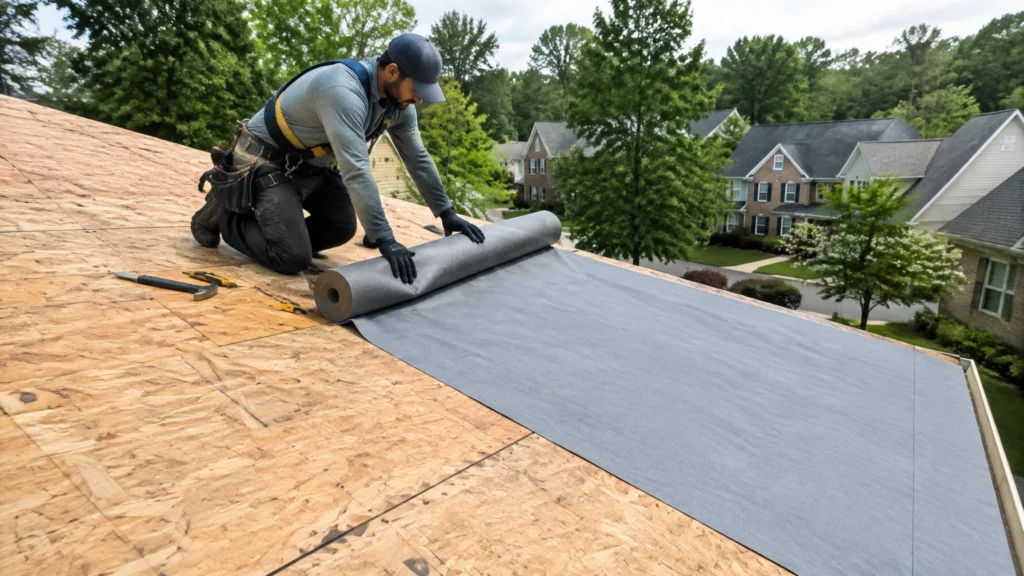
During a roof tear-off on a Charlotte street, shingles come off and reveal the bare roof deck. The roof deck is the plywood or OSB sheathing that the whole roof sits on. Sheathing means the flat panels that form the base of the roof.
The homeowner steps outside, points to a black sticky strip along the bottom edge, and asks, “Why does it only go up a few feet? Why not cover everything?”
That is a smart question. The answer involves how water moves, how roof materials work, and where extra protection matters most.
The hidden layer between shingles and wood
Underlayment is a water-resistant sheet rolled over the roof deck before shingles go on. It sits between the shingles and the wood.
Shingles are the roof’s first layer against rain and sun. But shingles have seams, edges, and nail holes. They can lift, crack, or lose their seal as they age.
Underlayment gives the roof another line of defense. It also helps protect the deck while the crew installs shingles. Roofing should not go straight onto bare wood.
That hidden layer is part of a roof system, not just a roll of material. Its type, placement, and installation all matter. Together, they help keep water away from the wood beneath your roof.
Why Charlotte weather puts that layer to work
Around Charlotte, NC, heavy spring and summer thunderstorms can bring wind-driven rain. The drops do not always fall straight down. Strong wind can push rain sideways and under shingle edges.
If a shingle loses its seal or a nail backs out, water may reach the underlayment. A good second layer helps stop that water from reaching the roof deck.
That protection matters because the wood deck supports the whole roof. If water gets through and stays trapped, it can damage the wood and nearby parts of the home.
No underlayment can make a damaged roof waterproof forever. It helps reduce the chance that a small opening turns into a leak inside. The goal is to give water another barrier to cross.
Ice-and-water shield, explained
Ice-and-water shield is a self-adhering membrane, meaning a sticky, flexible sheet that attaches directly to the deck. It is often black and rubbery, though products can look different.
The key feature is how it reacts to a nail. When a roofing nail passes through the membrane, the material presses around the nail shaft. That helps close the tiny space around the hole.
Standard felt and synthetic underlayment do not seal around each nail in the same way. Those materials are held in place with fasteners. Under the right conditions, water can move around those fastener holes.
This does not make every other underlayment weak or unsafe. Each type has a job. The sticky membrane gives extra protection in places where water is more likely to gather or push under shingles.
What North Carolina code requires, and what it does not
The 2024 North Carolina Residential Code, Chapter 9, Section R905.1.2, says an ice barrier is required where the average daily January temperature is 25 degrees Fahrenheit or less. It can also be required where the local jurisdiction designates it. The code section explains the allowed barrier types and placement.
Where required, the barrier must use two layers of underlayment cemented together, or a self-adhering polymer-modified bitumen sheet. Polymer-modified means the material has added polymers to improve its flexibility and performance.
The barrier must extend from the lowest roof edges to at least 24 inches inside the exterior wall line. On steep roofs, additional placement rules apply.
Section R905.1.1 also requires underlayment to meet listed standards, including ASTM D226, D4869, D6757, or D1970. ASTM is an organization that publishes material and performance standards. For shingle roofs with slopes between 2:12 and 4:12, code requires two layers of underlayment.
Charlotte’s January average sits well above the 25-degree threshold. So the temperature trigger does not normally apply here. Unless a local designation or another rule applies, a contractor can legally build a code-minimum roof without self-adhering membrane at the eaves.
We think that is the wrong call for our weather. Code sets a minimum, not a promise that every roof has the same protection. Heavy storms, roof shape, and water flow should help guide the material plan.
Something worth knowing about our area. Around here, straight-line winds and quick downpours are the usual test, not long snow loads. That is a big part of why we push protection at the edges, valleys, and openings on nearly every home we inspect around Charlotte and the lake.
Three underlayment families
Asphalt-saturated felt
Felt is the old black roofing paper. It is usually sold as No. 15 or No. 30 felt. No. 30 is heavier. Common standards include ASTM D226 and D4869.
Felt is water-resistant and has protected roofs for many years. It also allows some moisture vapor to pass through. But felt can absorb some moisture and may wrinkle during installation.
Wrinkles matter because they can affect the surface under the shingles. The code says underlayment distortions must not interfere with shingle sealing. A careful crew keeps the felt flat and follows the product instructions.
Synthetic polymer underlayment
Synthetic underlayment is a lighter sheet made from polymer, a type of plastic material. It is a strong general-purpose cover for the roof deck. It usually covers more roof area per roll than felt.
It also resists tears from foot traffic better than many felt products. That can help during installation, when workers need to move over the covered deck.
Synthetic underlayment has its own standard, ASTM D8257. The code status can depend on the adopted code and local approval. Industry code updates are moving toward recognizing D8257 in 2024 model-code requirements. Professional Roofing explains that change.
Always check the product label and the rules that apply to your project. A material name alone does not show whether a particular product and installation meet local requirements.
Self-adhering polymer-modified bitumen membrane
This is the family often called ice-and-water shield. It sticks to the deck and seals around nails. It is the only one of these three families designed to seal around nail shafts.
It costs more per square foot than standard felt or synthetic underlayment. That is why many roofs use it in selected areas instead of covering the whole deck.
The right amount depends on the roof design and manufacturer instructions. Using more is not always better. The whole roof system needs to manage both water and moisture vapor.
The ventilation catch
⚠️ A self-adhering membrane can block moisture vapor as well as water. If it covers the entire deck, the attic needs a proper path for air movement. Otherwise, moisture may collect below the roof deck.
The Asphalt Roofing Manufacturers Association warns in its May 2025 technical bulletin, “Steep Slope Roofing Underlayment”:
"Self-adhering underlayments act as vapor retarders. The absence of adequate ventilation may contribute to premature deterioration of the roof system and roof deck, potentially resulting in water vapor condensation under the roof deck."
A vapor retarder slows water vapor from passing through a material. In plain terms, moisture from inside the home may get trapped if the roof cannot dry.
That is why we look at attic venting during every inspection. A membrane choice should fit the whole roof, not just one spot. More membrane does not automatically mean a better roof.
Where we place the membrane
We consider the roof’s shape and weak points before deciding where self-adhering membrane belongs. These are common areas that need extra thought:
- Eaves: The eave is the lower edge of a roof that extends past the outside wall. We use membrane along eaves extending past the wall line, to help protect the deck edge.
- Valleys: A valley is the channel where two roof planes meet and send water into the same path. We place membrane beneath this busy channel.
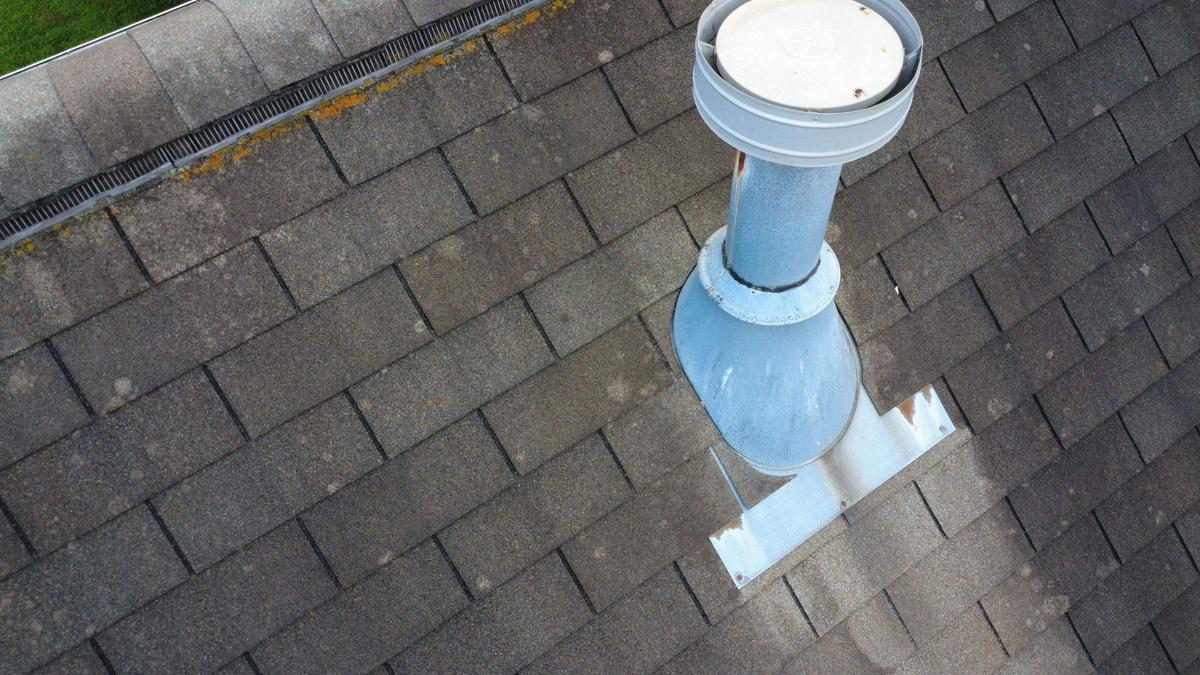
- Penetrations: A penetration is anything that passes through the roof surface, such as a chimney, vent pipe, or skylight. These openings need careful waterproofing.
- Wall-to-roof transitions: These are spots where a roof meets a vertical wall. Water can collect or run along this joint, so correct layers and flashing matter.
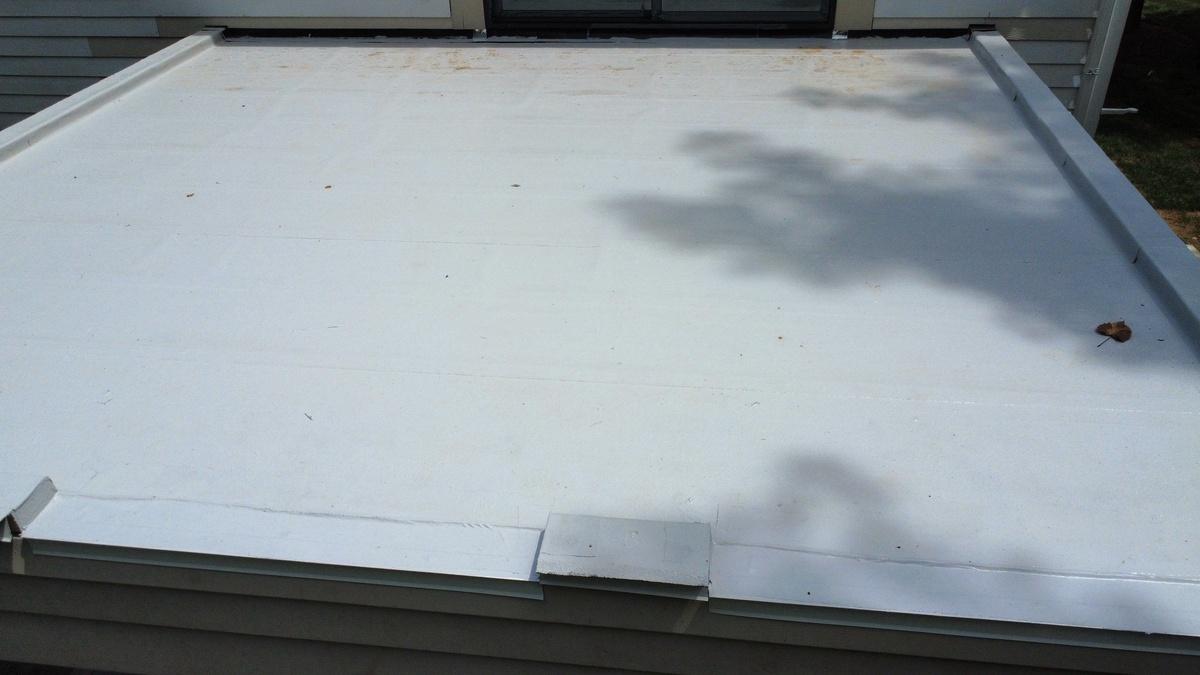
- Low-slope sections: Water moves more slowly on a low-slope roof area. That can give water more time to find a gap.
The Asphalt Roofing Manufacturers Association explains the role of this layer: “Underlayment provides a secondary layer of protection beneath the shingles to shield the deck from wind-driven rain, helping prevent water from reaching the deck.” That statement appears in the same May 2025 technical bulletin cited above.
The details matter as much as the product. Membrane must lie flat, stick well, and overlap in the correct direction. Careful work helps water keep moving down and off the roof.
Why valleys deserve their own attention
During a downpour, a roof valley carries water from two roof planes into one channel. Water can move fast through this narrow path.
If valley shingles have a small gap, water may find its way underneath. The membrane below acts as a backup layer and helps protect the deck.
A valley needs more than a strip of material. Shingle layout, membrane placement, and flashing must work together. We look for clean lines and secure edges because poor details can defeat good materials.

Here is where underlayment and flashing get confused. Flashing is the metal that moves water at edges, walls, and openings. Underlayment is the sheet that sits under the shingles. One does not replace the other. A roof needs both, installed in the right order.
Overlap direction matters too. Self-adhering sheets lap so the upper sheet covers the edge of the one below. That way water runs over the seam instead of into it. Get the lap backwards and a small gap can let water work its way under the membrane.
What to look for in your estimate and warranty
Ask your contractor to list underlayment and ice-and-water shield as separate items in the proposal. This makes it easier to see what the crew plans to install.
Ask for the brand, the product standard, and the exact roof areas where each material will go. If your roof has a low-slope section, ask how the crew will handle it.
Also ask what installation rules the manufacturer requires. Manufacturer warranties depend on work that follows the maker’s published instructions. A shortcut under the shingles can make a future claim more difficult.
A clear plan should explain what is included and why. When you compare roofing in Charlotte, NC, look for plain answers instead of vague promises. We use a consultation-based approach, so homeowners can understand the choices without pressure.
Our lifetime workmanship warranty covers our work, subject to its written terms. It does not replace a product warranty, and it does not erase the need for proper installation.
How to tell what your roof already has
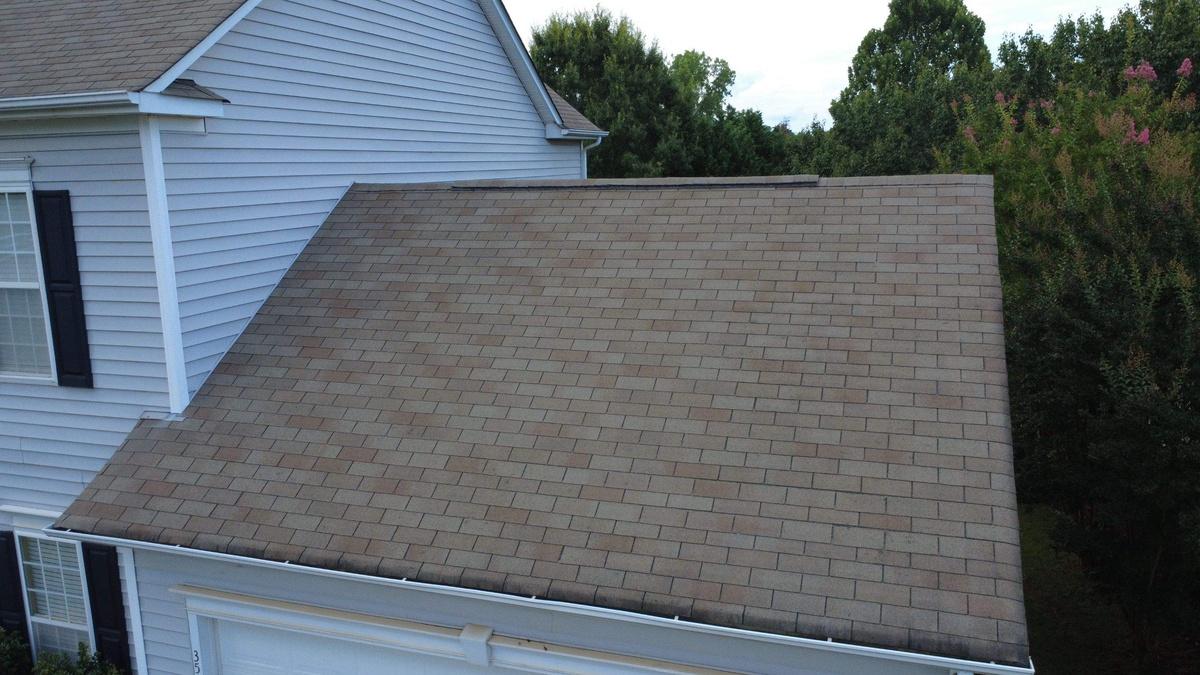
You cannot see underlayment from the ground or from a drone. The shingles hide it. A roof replacement or a close roof inspection is the only reliable way to identify what is there.
From inside the attic, you may sometimes see the membrane edge near the eaves. It may appear above the top plate, which is the upper board on the wall frame. But insulation, framing, and roof shape can hide it.
Even an attic look does not answer every question. It may not show the full membrane layout, its condition, or what sits under every roof plane.

Older Charlotte roofs, especially roofs built before 2000, often have felt only. But age alone cannot confirm the material. For your roof maintenance in Charlotte, NC, keep records and ask for product details after any replacement. A roof inspection in Charlotte can help assess visible signs, but it cannot see through shingles.
Lake Norman and north Mecklenburg homes
Homes near Lake Norman can face different roof conditions from homes in more sheltered streets. Around Cornelius, Davidson, Huntersville, and Mooresville, some homes sit more exposed to wind off open water.
Mature tree canopy can also shade north-facing roof slopes. Those areas may stay damp longer, especially when branches limit sunlight and airflow.
Both conditions make the layers beneath shingles important. Wind-driven rain can test the roof edges and valleys. Shade can slow drying after rain. Local Lake Norman roofers should understand how the house’s setting affects its roof design.
There is no one membrane plan for every home. A steep roof with open exposure may need a different approach from a sheltered roof with a simple shape. The right answer starts with the roof in front of you.
Two checks to remember
✅ After a hard storm, look from the ground at shingle edges along the eaves and valleys. Watch for lifted or missing pieces, and do not climb onto the roof.
Before you sign a roofing proposal, ask for the underlayment specification in writing. It should name the product, its standard, and where the crew will install it.
Schedule a free roof inspection and consultation
Sources
- 2024 North Carolina Residential Code, Chapter 9, Section R905.1.2.
- Asphalt Roofing Manufacturers Association, “Steep Slope Roofing Underlayment,” May 2025.
- Mark S. Graham, “Understanding underlayment,” Professional Roofing, May 2023.
Related Posts



Written by
James Turner, Co-Founder & Chief Executive Officer, Best Roofing Now
Co-founded Best Roofing Now with his father Fred. The company's roofing and insurance-claim expert, and the one who will happily explain any of it to anyone who asks.
More about James →Related Roofing Services
Based on this article, you may be interested in these services.
Service Areas Mentioned
We proudly serve these Charlotte-area communities with professional roofing services.
View All Service Areas →