
Roofing Tips & Guides
Expert Roofing Advice for Charlotte Homeowners
Learn from Charlotte's trusted roofing experts. Tips on maintenance, repair, replacement, and protecting your home from the elements.
Ice & Snow Damage? Get 10% off repairs with a free inspection.
Learn from Charlotte's trusted roofing experts. Tips on maintenance, repair, replacement, and protecting your home from the elements.
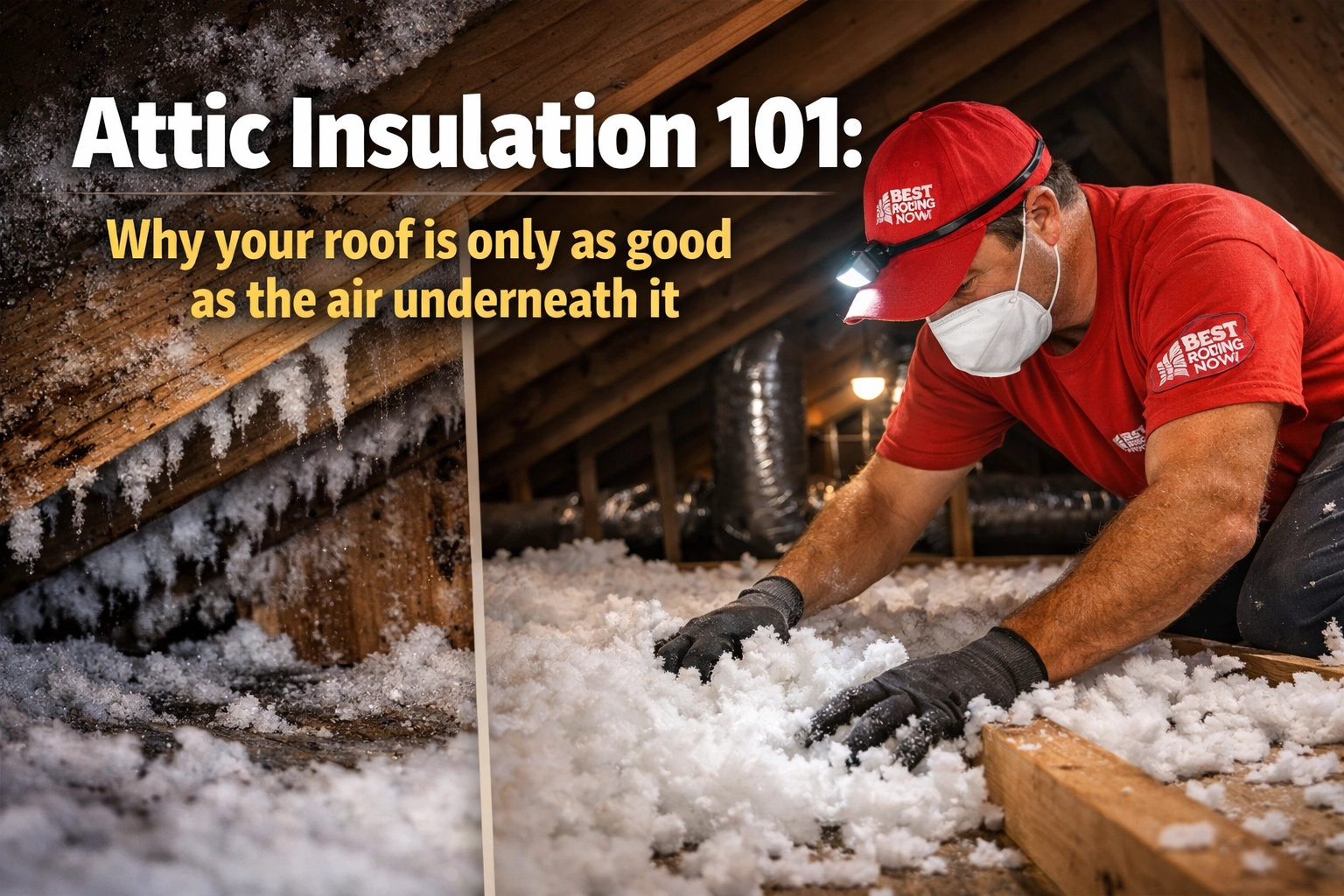
Most homeowners think about their roof as the shingles they can see from the street. But here's the truth: your roof is actually a complete system. And the most important part of that system? It's hiding right underneath those shingles in your attic.
I've been in hundreds of attics across Charlotte and Lake Norman. Some are properly insulated and ventilated. Others are disaster zones that are quietly destroying roofs and draining bank accounts. The difference between the two often comes down to understanding one simple concept: your roof performs only as well as the air underneath it.
Let me break down why that matters and what you can do about it.
Your attic has two jobs that work together like a team. Insulation keeps the heat where it belongs. Ventilation moves air to prevent moisture buildup. When both do their jobs, your roof stays healthy and your energy bills stay reasonable.
Think of it like this: insulation is the barrier. Ventilation is the escape route. You need both.
According to the North American Insulation Manufacturers Association, proper attic insulation can reduce heating and cooling costs by up to 30%. That's real money staying in your pocket instead of escaping through your roof deck.
But insulation alone isn't enough. Without proper ventilation, you're just trapping moisture and heat in your attic. And trapped moisture is a roof's worst enemy.
Here's where things get interesting. Air flow in your attic follows a simple pattern called the "stack effect." Warm air rises. Cool air sinks. It's basic physics, but it drives everything happening above your ceiling.
In a properly designed attic, cool air enters through soffit vents at the bottom. As it heats up, it rises and exits through ridge vents or gable vents at the top. This continuous flow keeps your attic temperature closer to the outside temperature. That's exactly what you want.

But when insulation blocks those soffit vents, or when you don't have enough ventilation at the top, that air flow stops. The attic becomes a hot box in summer and a moisture trap in winter.
I see this all the time in older Lake Norman homes. Someone adds blown-in insulation without installing baffles first. The insulation spills over and blocks the soffit vents. Air flow stops. Shingles start cooking from underneath. Suddenly a 25-year roof needs replacement in 15 years.
Heat doesn't just go in one direction. It moves through your attic in three different ways:
Conduction happens when heat transfers through solid materials. Touch a hot pan and you feel conduction. In your attic, heat conducts through roof decking, rafters, and ceiling joists.
Convection is heat movement through air. Hot air rises into your attic from your living space below. Without insulation to slow it down, that heat goes straight through your roof.
Radiation is heat traveling as invisible waves. Stand near a fire and you feel radiant heat. Your roof absorbs radiant heat from the sun all day. Without proper insulation and ventilation, that heat radiates down into your home.
Good attic insulation tackles all three. Fiberglass batts slow conduction. Blown-in cellulose reduces convection. Radiant barriers (popular in Charlotte's hot summers) reflect radiation back out.
We don't get the brutal winters that northern states do. But we get enough cold snaps to cause problems when insulation fails.
Here's the scenario: you're running your heat in January. Warm air rises into your attic through gaps around light fixtures, bathroom fans, and attic hatches. If your insulation is thin or missing, that warm air hits the underside of your cold roof deck.

The warm air melts any frost on the underside of your shingles. Water forms. That water can drip onto your insulation, your ceiling joists, or run down into your walls. Over time, you get mold, rot, and structural damage.
And that's just the moisture problem. The energy waste is even worse. According to Oak Ridge National Laboratory, up to 25% of heat loss in homes happens through the roof. In an older Charlotte home with 3 inches of attic insulation instead of the recommended 13-15 inches, you're basically heating the neighborhood.
Summer is when poor attic insulation really shows itself around here. Charlotte hits 90+ degrees from June through August. Your roof absorbs that heat all day long.
Without proper insulation and ventilation, your attic can reach 140-150 degrees. That extreme heat does two bad things:
First, it cooks your shingles from underneath. Asphalt shingles are designed to handle heat from above. They're not designed to bake from both sides. The asphalt oils dry out faster. Shingles become brittle. What should be a 25-year roof fails in 15.
Second, all that heat radiates down into your living space. Your air conditioner runs constantly trying to keep up. Your Duke Energy bill goes through the roof (pun intended).
I worked with a homeowner in Cornelius last summer. Her AC was running 18 hours a day. We went into her attic and found 4 inches of old, compressed fiberglass insulation. The attic was 147 degrees at 2 PM. We brought her up to R-38 insulation and added two more ridge vents. Her next power bill dropped by $89. The AC started cycling normally.
Insulation gets measured in R-value. Higher R-value means better insulating power. The "R" stands for resistance to heat flow.
For Charlotte and Lake Norman, the Department of Energy recommends R-38 to R-49 in attics. That translates to about 13-15 inches of fiberglass or cellulose insulation.
Most homes built before 2000 have way less than that. I regularly find attics with R-11 or R-19. That's less than half of what you need.
Adding insulation is one of the best investments you can make. The national average return on investment is 107%, according to Remodeling Magazine. Translation: you get back more than you spend through energy savings and increased home value.
Here's the basic rule for attic ventilation: you need 1 square foot of ventilation for every 150 square feet of attic space. Half should be intake vents (soffits). Half should be exhaust vents (ridge or gable vents).

But that's the minimum. I usually recommend more ventilation in our climate. Charlotte summers are brutal. More air flow means cooler attics and longer-lasting shingles.
The best setup I see combines continuous soffit vents with a full ridge vent. Air comes in all along the eaves, travels up through the rafter bays, and exits all along the ridge. It's constant, even flow that keeps the whole attic healthy.
The worst setup? Gable vents only, with blocked soffits. Or worse, powered attic fans pulling conditioned air out of your living space. I've seen those fans cost more in wasted AC than they save in attic cooling.
You don't need to climb into your attic to know if you have problems. Here are the warning signs:
High energy bills. If your heating or cooling costs keep climbing even though your usage hasn't changed, your attic might be the culprit.
Ice dams in winter. If you see icicles hanging from your gutters or ice buildup at your roof edge, heat is escaping through your attic and melting snow on your roof.
Hot and cold spots. Some rooms are always hotter or colder than others, especially rooms on upper floors.
Moisture or mold. Water stains on your ceiling, musty smells, or visible mold indicate moisture problems often linked to poor insulation and ventilation.
Pest problems. Gaps in insulation create highways for mice, squirrels, and insects.
If you're seeing any of these signs, it's time for an attic inspection. Most of these problems get worse over time. Early fixes are always cheaper than waiting until you have structural damage.
I'm all for homeowners tackling projects themselves. But attic insulation is tricky. I've seen too many well-meaning DIY jobs create new problems.

The most common mistake? Adding insulation without checking ventilation first. You block your soffit vents with insulation. Air flow stops. Your attic becomes a hot, humid box.
Second mistake: missing air sealing. Just piling on more insulation without sealing air leaks is like putting a blanket over a window that's wide open. You need to seal gaps around wires, pipes, ductwork, and the attic hatch before you add insulation.
Third mistake: covering recessed lights with insulation. Most older recessed lights aren't rated for insulation contact. Cover them up and you create a fire hazard.
Professional installers know how to handle these issues. We install baffles to maintain air flow. We air seal first. We work around electrical safely. The small cost of professional installation prevents big problems down the road.
Building codes in Charlotte and Mecklenburg County require R-38 minimum for attic insulation in new construction. That's about 12 inches of blown-in fiberglass or 10-11 inches of cellulose.
Existing homes aren't required to upgrade to current code unless you're doing major renovations. But upgrading makes sense anyway. The energy savings pay for the investment in 3-5 years for most homes.
If you're buying or selling a home in Davidson, Huntersville, or Cornelius, attic insulation often comes up during inspections. Buyers are getting smarter about energy efficiency. A well-insulated attic can be a selling point. A poorly insulated one can kill deals or lead to price negotiations.
When we inspect an attic, we're looking at several things:
Current R-value. We measure existing insulation depth and calculate the current R-value.
Ventilation adequacy. We check soffit vents, ridge vents, and gable vents to ensure proper air flow.
Air leaks. We look for gaps around penetrations where air is escaping.
Moisture damage. We check for water stains, mold, or wood rot.
Structural issues. We look at roof decking, rafters, and trusses for damage.
Ductwork problems. Leaky ducts in attics waste enormous amounts of energy.
A proper attic assessment takes 30-45 minutes. We take photos. We measure. We give you a written report with specific recommendations.
Some companies do thermal imaging to find exactly where air is leaking. It's like an X-ray for your home's thermal envelope. You can see hot and cold spots that are invisible to the naked eye.
Let's talk numbers. Say you have a 2,000 square foot home in Charlotte with inadequate attic insulation. Your AC runs constantly in summer. Your heat runs more than it should in winter.
Poor insulation might cost you an extra $75-100 per month in wasted energy. That's $900-1,200 per year. Over 10 years, you've wasted $9,000-12,000.
But that's just energy costs. Poor insulation also shortens your roof life. If your shingles fail 8 years early because of heat damage, you're looking at a $8,000-15,000 premature replacement.
Add it up and poor attic insulation can easily cost $20,000+ over the life of your roof. The fix might cost $2,000-4,000 depending on your home size and current conditions.
The math isn't complicated. Fixing your insulation pays for itself multiple times over.
When your attic insulation and ventilation are right, here's what you gain:
Lower energy bills. 15-30% reduction in heating and cooling costs is typical.
More comfortable home. Fewer hot and cold spots. More even temperatures throughout.
Longer roof life. Shingles that reach or exceed their rated lifespan instead of failing early.
Better air quality. Proper insulation and air sealing keep dust, pollen, and pollutants out of your living space.
Increased home value. Energy-efficient homes sell faster and for more money.
Peace of mind. You're not throwing money away every month or shortening your roof's life.
For most Lake Norman and Charlotte homeowners, proper attic insulation is one of the highest-return investments you can make in your home.
Your attic insulation and ventilation might be fine. Or they might be costing you thousands of dollars you don't even know you're wasting.
The only way to know for sure is to have someone who knows what they're looking at take a look. We offer free attic inspections for Charlotte and Lake Norman homeowners. We'll check your insulation levels, measure your ventilation, look for air leaks, and give you straight answers about what you need.
No pressure. No sales pitch. Just a professional assessment and honest recommendations.
Because at the end of the day, your roof really is only as good as the air underneath it. And knowing what's happening in your attic is the first step to protecting your investment and your wallet.
Ready to find out what's really happening in your attic? Schedule a free inspection with Best Roofing Now. Call us or visit bestroofingnow.com to book your assessment. We serve Charlotte, Huntersville, Cornelius, Davidson, and all of Lake Norman.
Best Roofing Now
Charlotte's trusted roofing experts since 2019
Based on this article, you may be interested in these services.
We proudly serve these Charlotte-area communities with professional roofing services.
View All Service Areas →See our recent roofing work across the Charlotte metro area.
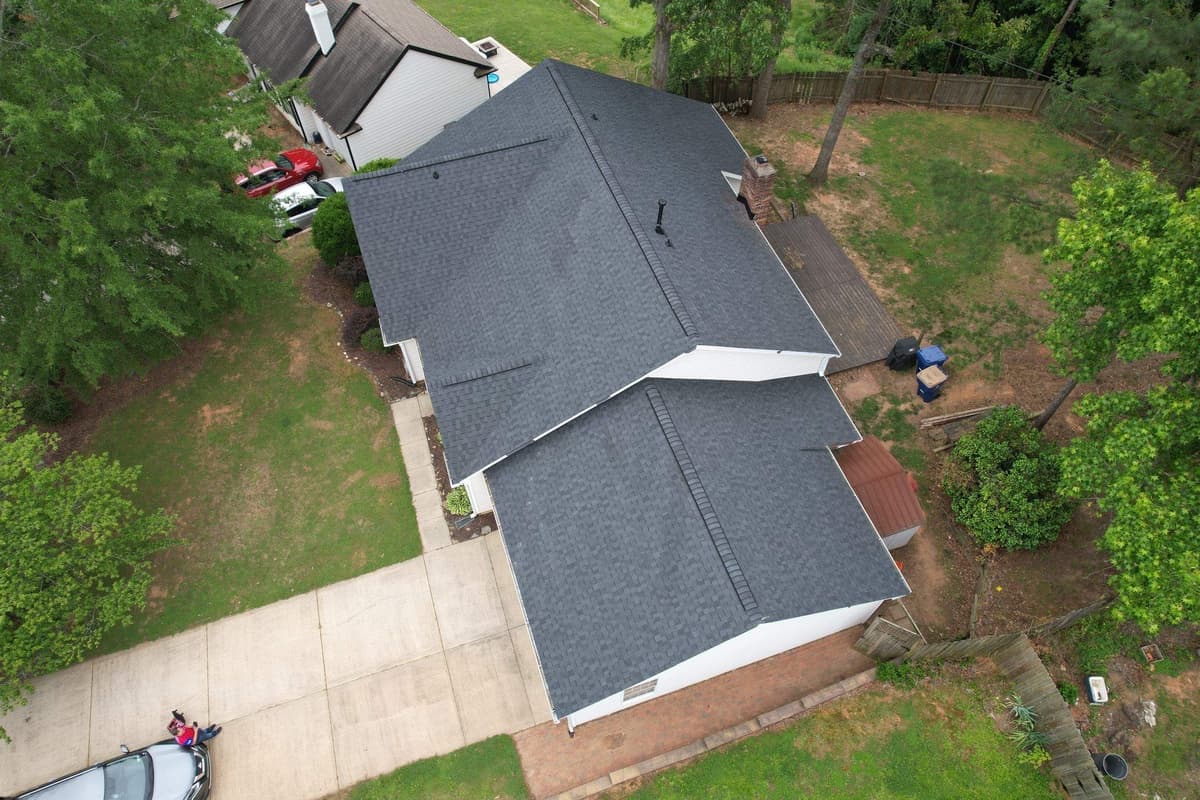
Charlotte, NC
new roof
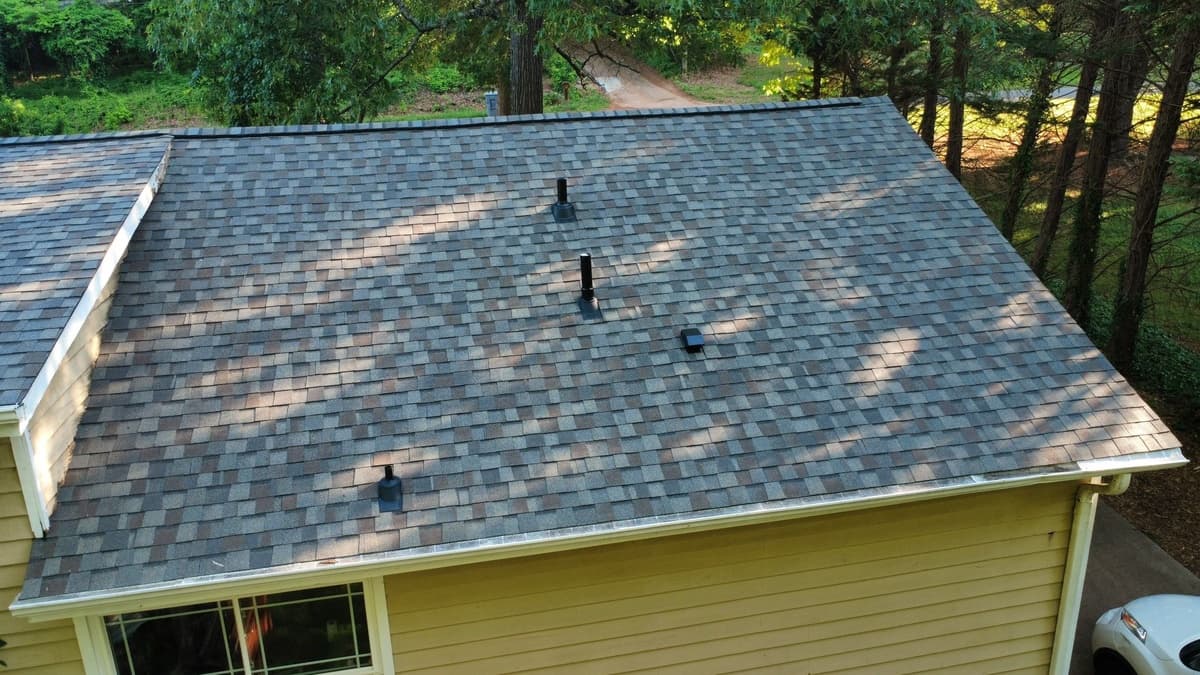
Charlotte, NC
new roof
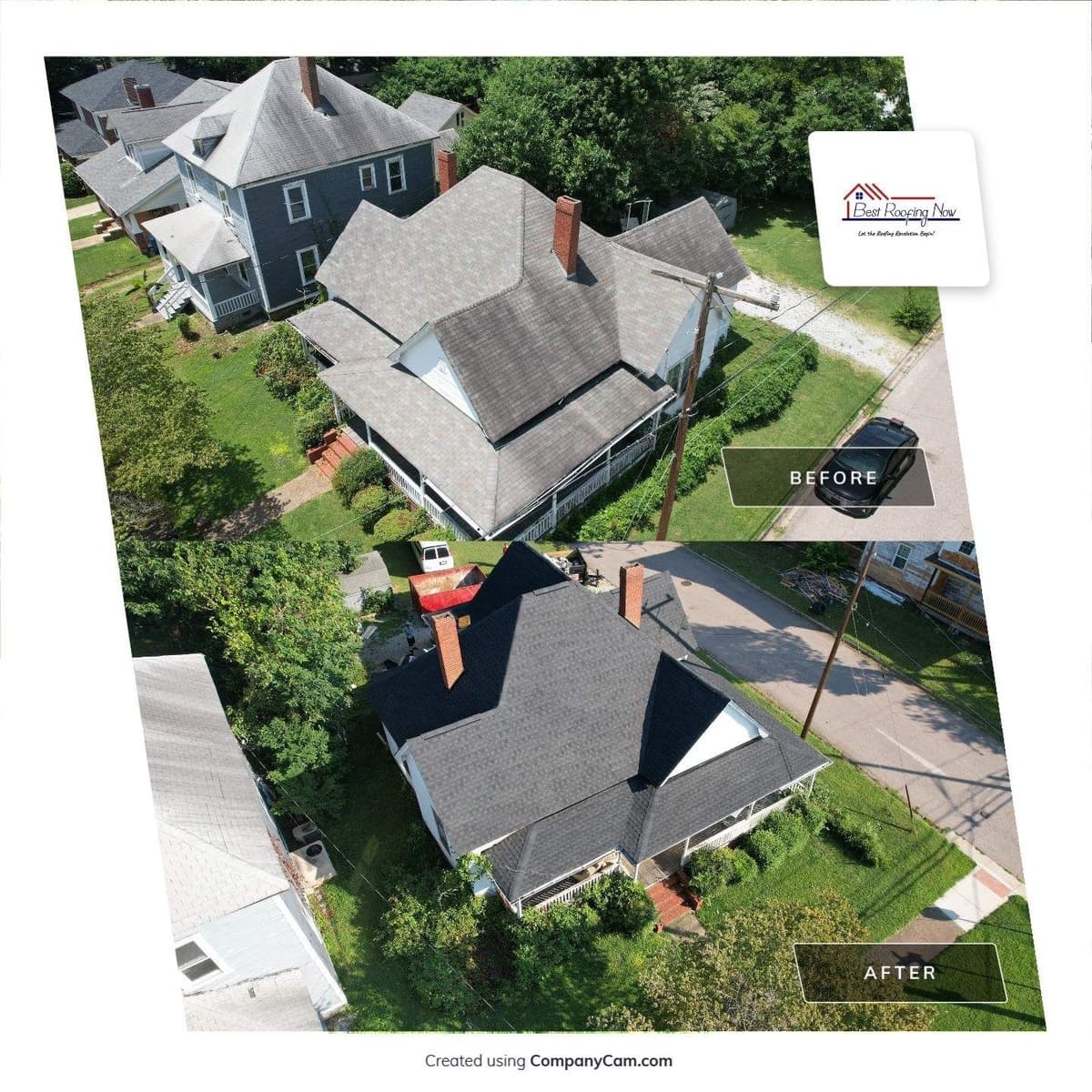
Charlotte, NC
new roof
Charlotte, NC
work in progress
Get a free roof inspection and honest assessment from Charlotte's most trusted roofing company.


