
Roofing Tips & Guides
Expert Roofing Advice for Charlotte Homeowners
Learn from Charlotte's trusted roofing experts. Tips on maintenance, repair, replacement, and protecting your home from the elements.
Leak or wind damage from Isaias? 24/7 emergency tarping, free storm-damage inspections and insurance-claim help.
Learn from Charlotte's trusted roofing experts. Tips on maintenance, repair, replacement, and protecting your home from the elements.
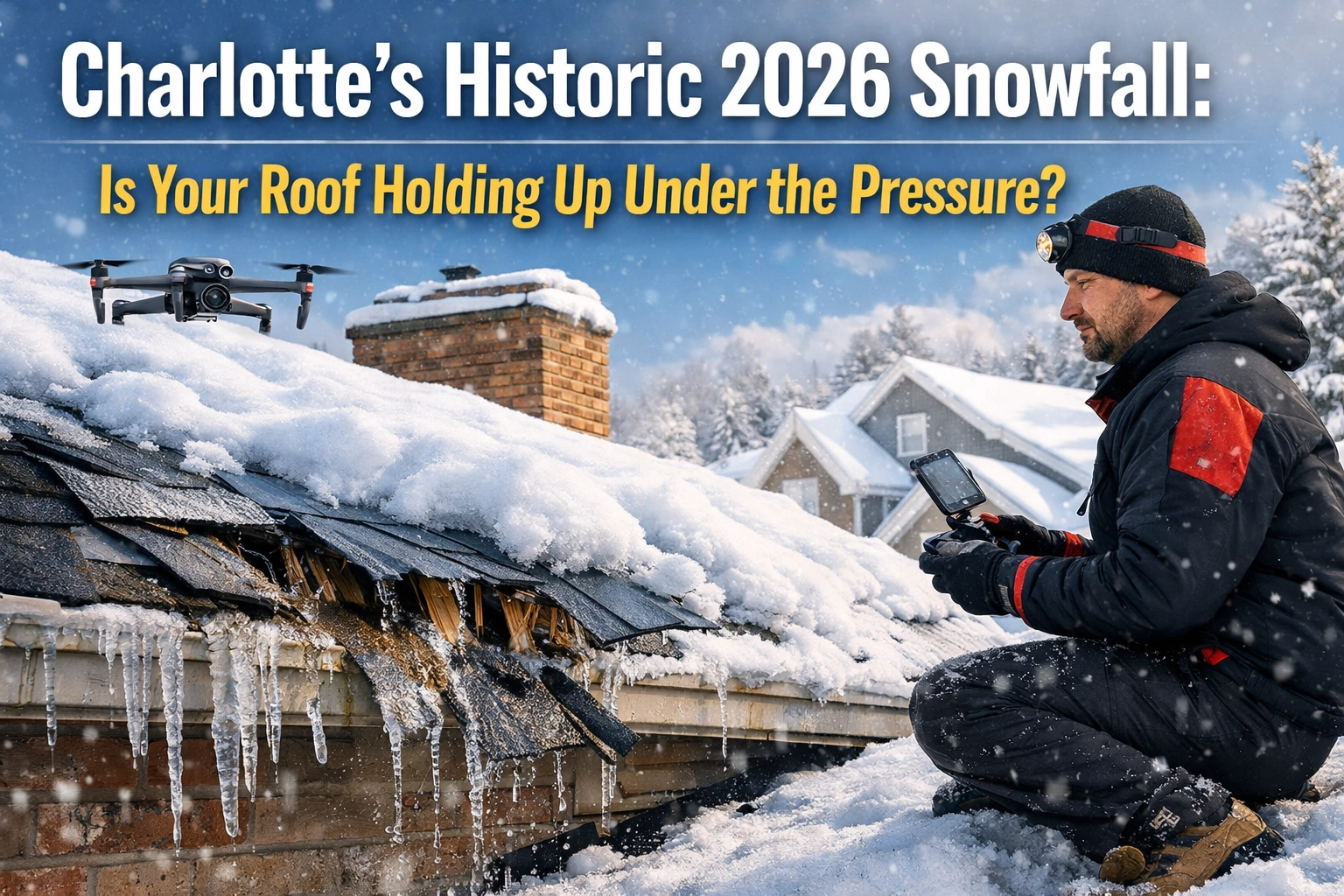
If you've been watching the news or simply looked out your window this weekend, you already know. Charlotte just got absolutely hammered by snow. We're talking 5 to 9 inches in most areas, with some neighborhoods seeing even more. This is the kind of snowfall that makes the history books. In fact, this is the heaviest snow Charlotte has seen since December 1989.
And while the snowball fights and sledding pics are filling up social media, there's something a lot less fun happening on rooftops across the Queen City right now: structural stress, ice buildup, and potential damage that most homeowners won't notice until it's too late.
I'm James Turner, owner of Best Roofing Now. We're a veteran-owned, locally operated roofing company right here in Charlotte. And over the next few minutes, I want to walk you through what this historic snowfall actually means for your roof, and what you should be watching for once the roads clear and the sun comes back out.
This isn't meant to scare you. It's meant to prepare you. Because the best time to catch roof damage is before it turns into a leak, a collapse, or a five-figure insurance claim.
Let's dive in.
I know the temptation is real. You see all that snow piling up. You're wondering if your roof can handle it. Maybe you're even thinking about grabbing a shovel and heading up there to clear some weight off.
Don't.
Snow-covered roofs are slippery, unstable, and dangerous, especially when you add ice, hidden roof penetrations, and the risk of sliding off a steep pitch. Even experienced roofers think twice before walking on snow-covered surfaces.
Here's what the National Roofing Contractors Association says: "Homeowners should never attempt to remove snow from their roofs themselves. The risk of injury or death from falls far exceeds the risk of roof damage in most residential situations."
If you're genuinely concerned about structural damage, call a professional. We'll assess the situation safely and let you know if intervention is needed. Most residential roofs in Charlotte are built to handle snow loads like this, but there are exceptions, and we'll get to those in a minute.

Let's talk about weight. Fresh, fluffy snow weighs about 5 to 7 pounds per cubic foot. That doesn't sound like much, right? But when you're talking about hundreds of square feet of roof surface covered in 6 to 9 inches of snow, the math gets serious fast.
A typical Charlotte roof might be carrying 1,000 to 2,500 pounds of snow after a storm like this. If that snow gets wet (which it will as temperatures rise), the weight can double. Wet, compacted snow weighs closer to 15 to 20 pounds per cubic foot.
Now add ice. Ice weighs 57 pounds per cubic foot. If you've got ice dams forming along your eaves or in your valleys, you're not just dealing with snow anymore. You're dealing with literal tons of frozen water sitting on a structure that wasn't designed to hold it indefinitely.
Most modern homes in Charlotte are built to code, which means they should handle temporary snow loads like this. But there are a few situations where things get sketchy:
If your roof is already compromised, even slightly, this storm might be the tipping point. And that's why we're offering free emergency inspections as soon as it's safe to get crews out there.
Charlotte is gorgeous because of its tree canopy. We've got one of the most forested urban environments in the country. But when you combine heavy snow, ice, and thousands of mature trees, you get a recipe for branch failures and worse.
I've already heard reports of limbs coming down across the metro area. Some are minor. Some are taking out power lines, cars, and, you guessed it, roofs.
Here's what happens: Snow and ice accumulate on branches. The weight becomes too much. The branch snaps and falls wherever gravity takes it. If your roof is in the way, you're dealing with punctures, torn shingles, broken flashing, or even structural damage depending on the size of the limb.
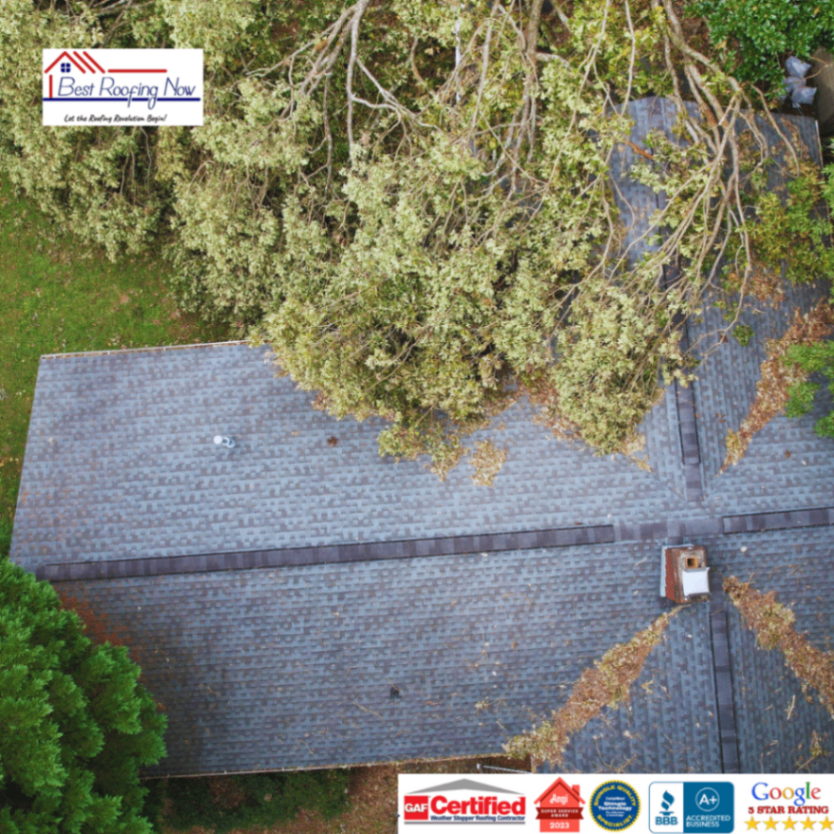
Even if a tree limb didn't hit your roof, the impact from falling debris can still cause damage. I've seen gutters ripped clean off. Ridge vents crushed. Skylights shattered. These are the kinds of issues that aren't always obvious from the ground, especially when everything's still covered in snow.
Once the snow melts, take a walk around your property. Look for:
If you see any of those signs, or if a tree limb actually did come down on your roof, call us immediately. Time matters when it comes to preventing secondary water damage.
Alright, let's talk about something most Charlotte homeowners have never had to deal with: ice dams.
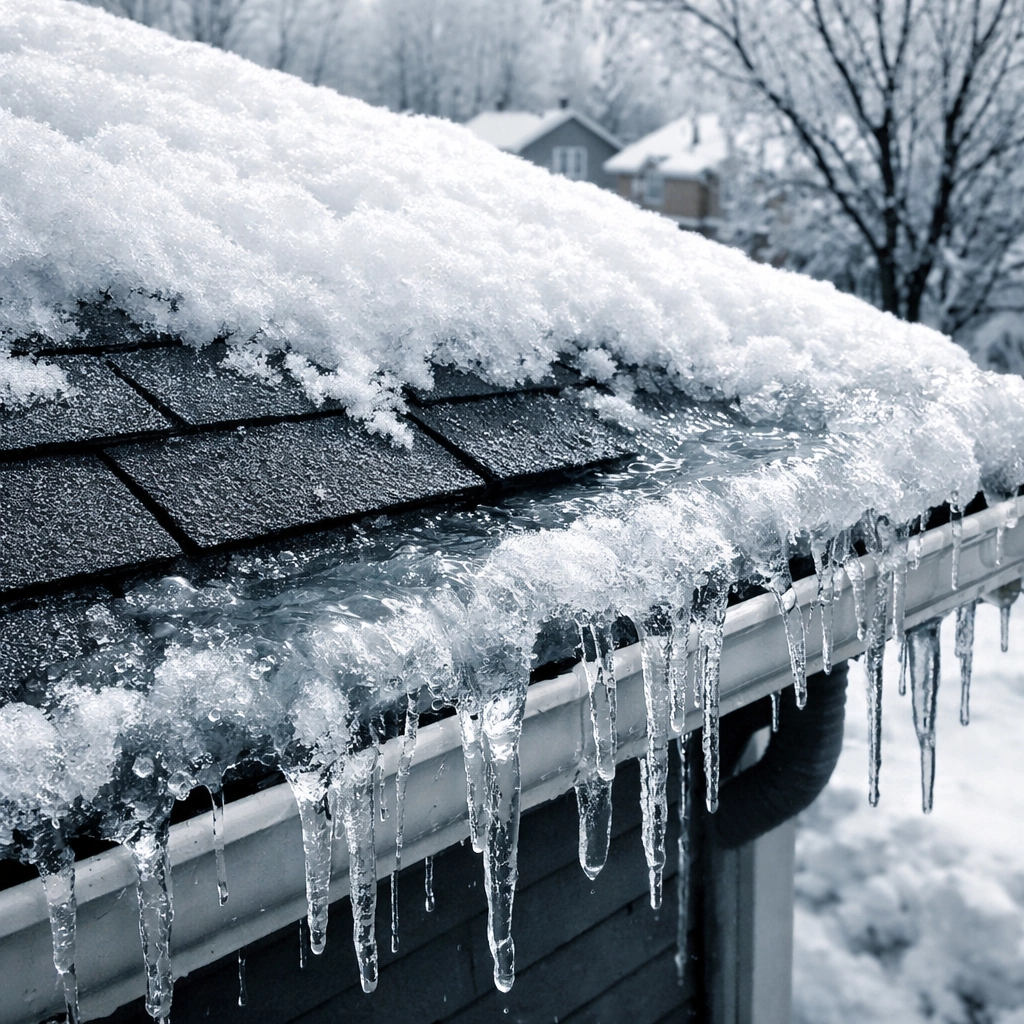
An ice dam forms when heat from your attic melts snow on the upper part of your roof. That melted water runs down toward the eaves, where the roof surface is colder (because there's no heated space beneath it). The water refreezes, creating a ridge of ice along the edge of your roof.
As more snow melts, more water flows down: but now it's blocked by that ice ridge. The water backs up under your shingles and into your home. This is how you get ceiling stains, soaked insulation, and mold growth in your attic. And it happens fast.
Ice dams are way more common in places like Michigan or Vermont, but they absolutely can happen here when conditions are right. And this storm? These are the right conditions.
Here's what makes a home vulnerable to ice dams:
If you've goticicles hanging from your gutters, that's not just a pretty winter photo op. That's a sign that water is freezing at your roofline: and potentially backing up under your shingles.
We've written a whole guide on gutter installation and maintenance that goes deeper into this. But the short version is: clean gutters and proper attic ventilation are your first line of defense against ice dams.
Most people think roof problems show up on the outside first. But honestly, the inside of your home is where you'll spot trouble fastest: especially after a snow event like this.
Keep an eye out for:
Even small spots matter. If you see discoloration, bubbling paint, or soft drywall, water is getting in somewhere. It might not be dripping yet, but it will.
This is a red flag. If a section of your ceiling looks lower than it used to, that could be water-logged insulation or a compromised roof deck. Don't ignore this one.
If your home suddenly feels damper than usual or you're noticing a musty odor in your attic or upper floors, moisture is getting in. Even if you don't see visible water, trapped humidity will lead to mold growth within 48 hours.
This one's obvious, but it's worth saying: if you hear dripping or see active leaks, you need to act immediately. Put a bucket under the leak to minimize interior damage, then call a roofer. Don't wait until Monday morning.
If you're not sure what you're looking at, we put together a checklist for quick DIY checks after a storm. It'll help you identify warning signs without climbing a ladder.
Here's the thing about historic snowfalls: they don't just test your roof in the moment. They reveal weaknesses that were already there.
Maybe your roof has been fine for 15 years. But there's been a small crack in your flashing. Or a few loose shingles on the north side. Or some minor water intrusion that's been slowly rotting your decking. You didn't notice because it wasn't causing problems: yet.
Then a storm like this hits. The extra weight. The freeze-thaw cycles. The wind gusts. Suddenly, that small crack becomes a big leak. That loose shingle blows off entirely. That rotted decking gives way under the snow load.
This is why post-storm inspections are so important. Not because every roof is going to fail, but because storms accelerate existing problems. And catching those problems now: before the next rainstorm, before the summer heat, before they get worse: saves you money and headaches down the line.
According to the Insurance Institute for Business & Home Safety, "Most storm-related roof damage results from pre-existing conditions that went unnoticed or unrepaired."
In other words: the storm didn't break your roof. It just exposed what was already broken.
Look, I'm not going to pretend this storm isn't going to keep us busy. We've already got calls lined up for inspections once the roads are safe. But that's what we signed up for when we started this company.
We're a veteran-owned, locally operated business. We live in this community. Our families are here. When Charlotte gets hit with something like this, we don't just show up because it's good for business. We show up because it's the right thing to do.
Here's what you can expect when you work with us:
We'll come out, assess your roof, and give you an honest answer about what (if anything) needs to be done. No pressure. No inflated estimates. Just straight talk from someone who's been doing this for years.
If your roof did sustain damage, we'll document everything with photos, measurements, and detailed notes. That documentation makes the insurance claims process a whole lot easier. We've helped dozens of homeowners navigate storm damage claims, and we'll do the same for you.
You'll know exactly what we're doing, why we're doing it, and what it's going to cost before we touch your roof. No surprise charges. No bait-and-switch. Just clear, upfront pricing that respects your budget.
We're GAF-certified. We're BBB-accredited. We've got a 5-star Google rating because we show up, do the job right, and stand behind our work. Every time.
And honestly? The free inspection is worth it just for peace of mind. Even if your roof is totally fine, you'll know it's fine. And that's worth a lot when you're lying in bed listening to snow melt and wondering if you're about to have a leak.

This storm isn't over just because the snow stopped falling. The next few days are going to bring rising temperatures, melting snow, and a whole lot of water running off roofs across Charlotte.
That melt-off period is actually when a lot of problems show up. Water finds its way into seams, cracks, and gaps that stayed dry when everything was frozen. Ice dams start causing leaks. Clogged gutters overflow. And homeowners realize: sometimes the hard way: that their roof wasn't as solid as they thought.
Here's what you can do in the meantime:
If you've got snow piled up against your home's foundation, gently move it away. You don't want all that melt-water seeping into your basement or crawlspace.
If you can safely see your gutters, check for ice buildup or sagging sections. Don't try to clear them yourself if they're full of ice: that's a job for pros. But identifying the problem now helps you prioritize repairs.
If you see damage: even minor stuff: take photos. Document the date, the time, and the specific issue. If you need to file an insurance claim later, that documentation is gold.
If you're seeing leaks, sagging, or obvious damage, call now. Roofing companies are going to be slammed for the next few weeks. The sooner you get on the schedule, the sooner you get help.
I know this is a long blog post. But this is a big deal. Charlotte doesn't see snow like this often, and a lot of homeowners simply don't know what to watch for or when to worry.
Here's the short version: Your roof is probably fine. Most modern roofs in Charlotte are built to handle this kind of snow load without issue. But probably isn't the same as definitely, and the cost of being wrong is too high to ignore.
If you've got an older roof, visible damage, or any of the warning signs I mentioned above, get an inspection. It's free. It's fast. And it'll either confirm that everything's good or catch a problem before it turns into a disaster.
We're ready when you are. Just give us a call or schedule your free inspection online. We'll get out there as soon as the roads are clear and give you the honest assessment you deserve.
Stay safe out there, Charlotte. And if you need us, we're here. ✅
Best Roofing Now
Charlotte's trusted roofing experts since 2019
Based on this article, you may be interested in these services.
We proudly serve these Charlotte-area communities with professional roofing services.
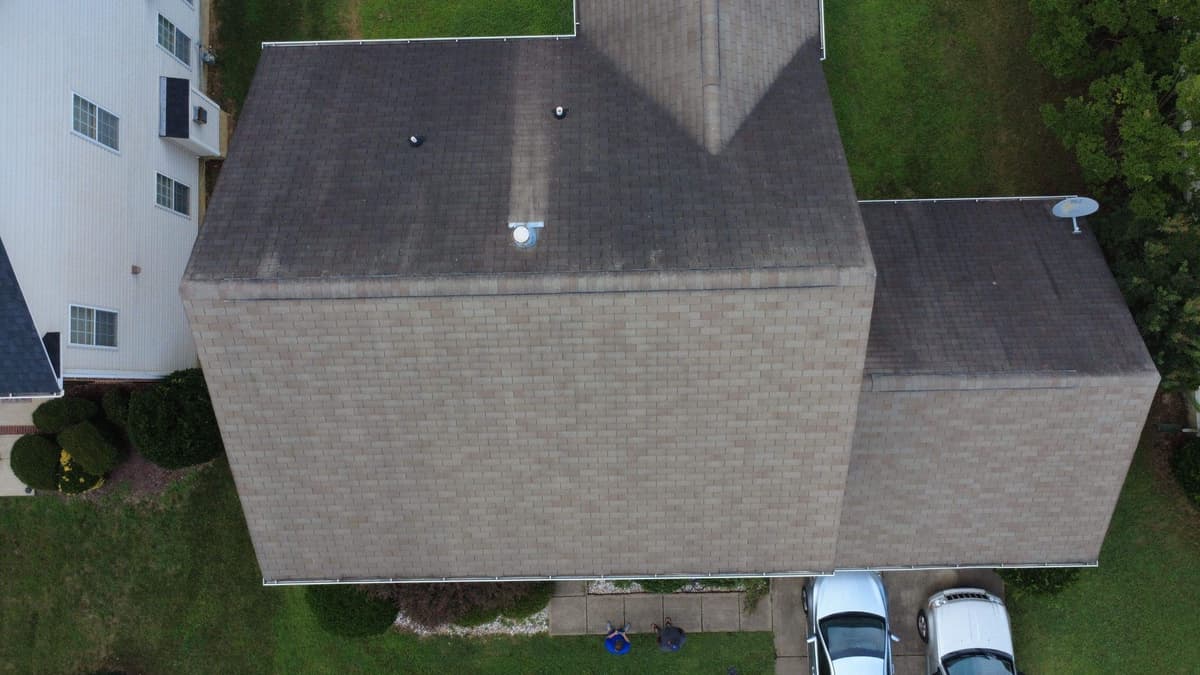
View All Service Areas →See our recent roofing work across the Charlotte metro area.
Charlotte, NC
work in progress
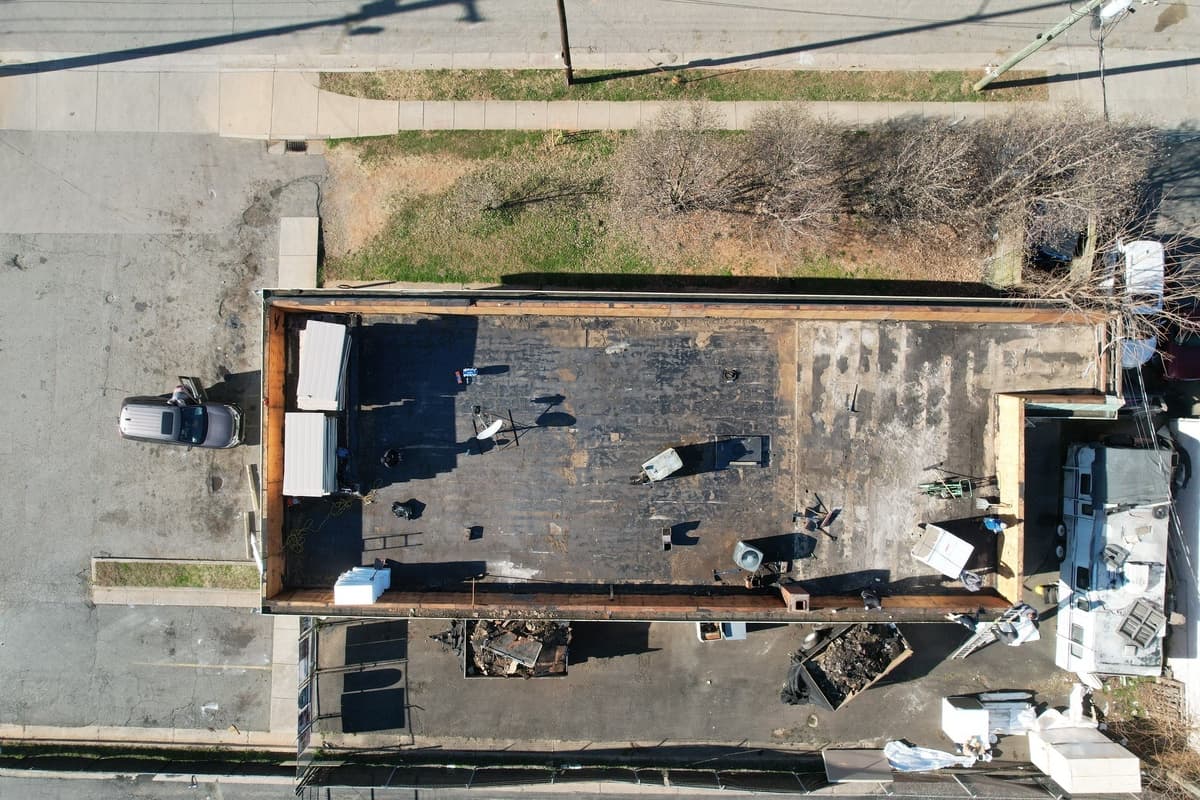
Charlotte, NC
new roof
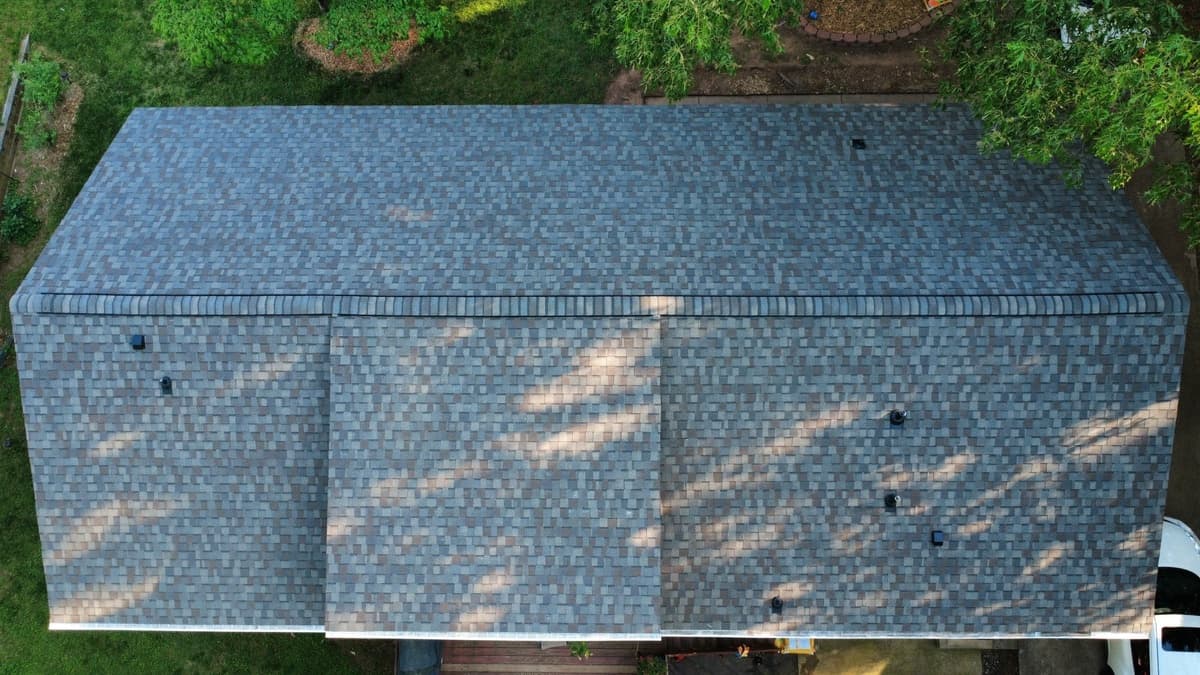
Charlotte, NC
before after
Charlotte, NC
new roof
Get a free roof inspection and honest assessment from Charlotte's most trusted roofing company.


