
Roofing Tips & Guides
Expert Roofing Advice for Charlotte Homeowners
Learn from Charlotte's trusted roofing experts. Tips on maintenance, repair, replacement, and protecting your home from the elements.
Ice & Snow Damage? Get 10% off repairs with a free inspection.
Learn from Charlotte's trusted roofing experts. Tips on maintenance, repair, replacement, and protecting your home from the elements.
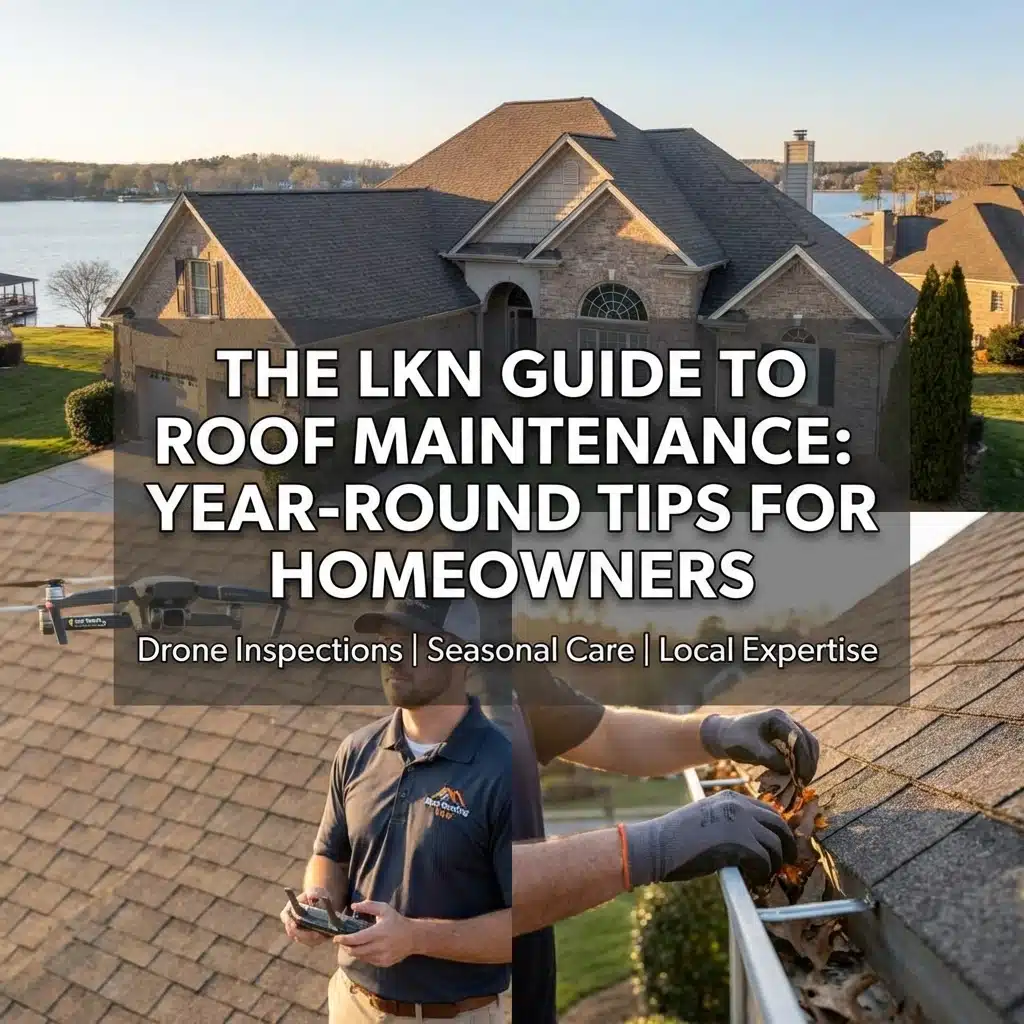
Living near Lake Norman is pretty great. The views, the water, the community: it's hard to beat. But here's the thing. Our beautiful location comes with weather that can be tough on your roof.
Hot, humid summers. Random hailstorms. Heavy spring rains. And those surprise cold snaps in winter. Your roof takes a beating all year long.
The good news? A little maintenance goes a long way. We've helped homeowners across Mooresville, Cornelius, Davidson, and Denver keep their roofs in top shape for years. And today, we're sharing our best tips with you.
This guide breaks down roof care by season. We've included simple checklists you can follow. No fancy tools needed. Just a bit of attention and some know-how.
Let's dive in.
Here's a stat that might surprise you. Most roof problems we see could have been prevented. A loose shingle here. A clogged gutter there. Small issues turn into big, expensive repairs when ignored.
The National Roofing Contractors Association (NRCA) recommends inspecting your roof at least twice a year. But in our area? We suggest checking things more often.
Lake Norman's humidity creates perfect conditions for algae and moss growth. Our mix of pine trees and hardwoods drops tons of debris on roofs. And summer storms can pop up out of nowhere.
Regular maintenance helps you:
Think of it like changing the oil in your car. Skip it, and things break down fast. Stay on top of it, and everything runs smooth.
Spring in the LKN area means one thing: rain. Lots of it. After winter, your roof needs some attention before the heavy storms roll through.
✅ Inspect shingles for damage – Look for anything curling, cracking, or missing. Winter can be rough on shingles, even mild winters.
✅ Check your gutters – Clear out leaves, pine needles, and any debris that piled up over winter. Clogged gutters cause water to back up under your shingles.
✅ Look for dark streaks – Those black marks on your roof? That's algae. It's common around Lake Norman because of our humidity. Left alone, algae can actually eat away at your roofing materials.
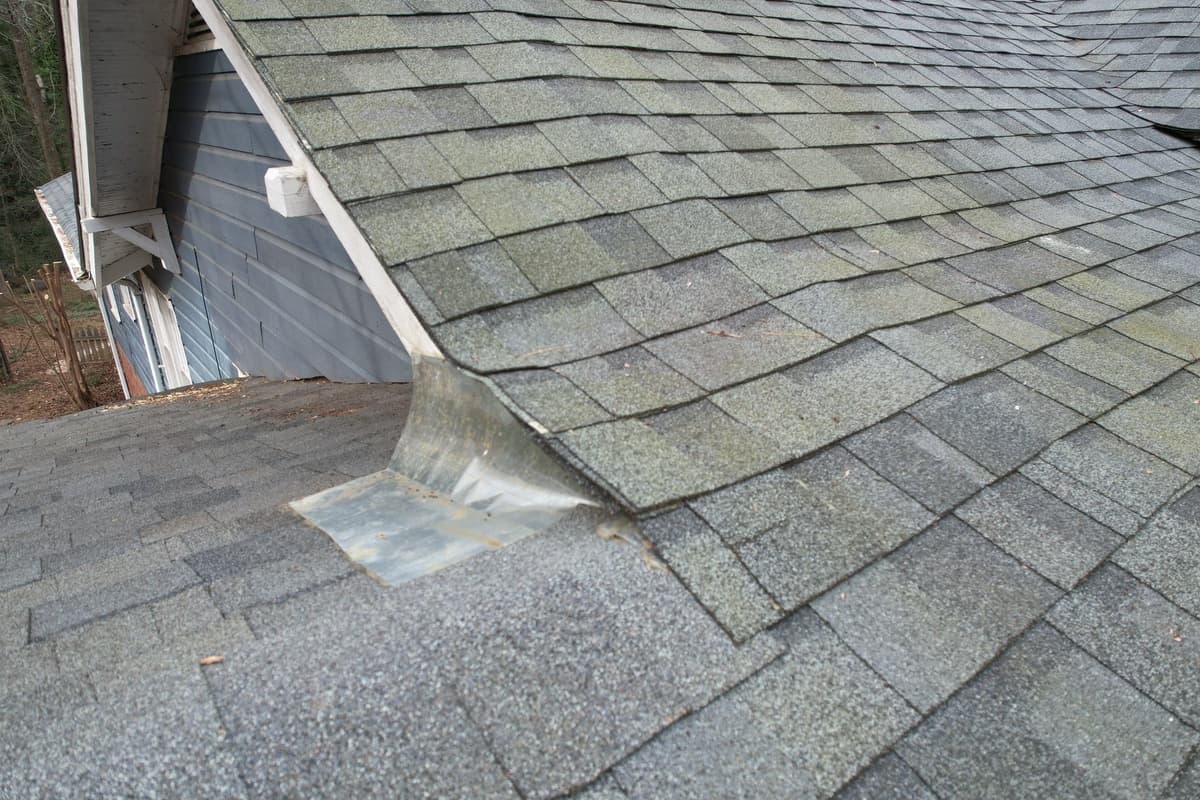
✅ Examine flashings – Flashings are the metal pieces around your chimney, vents, and skylights. Make sure they're still sealed tight. Winter freeze-thaw cycles can loosen them.
✅ Test your attic ventilation – Pop into your attic on a warm spring day. It shouldn't feel like a sauna. Poor ventilation leads to moisture problems and higher cooling bills.
✅ Trim back tree branches – Any branches hanging over your roof should be cut back at least 6 feet. They drop debris and can scrape your shingles during storms.
Pro Tip: After a big spring storm, do a quick walk around your home. Look for shingles on the ground or any obvious damage. It's easier to spot problems right after they happen.
Summer brings heat, humidity, and the occasional severe thunderstorm. Your roof works overtime to keep you cool and dry.
✅ Look for signs of heat damage – Extreme heat can cause shingles to blister or buckle. Check for any warping or bubbling.
✅ Inspect attic insulation – Good insulation keeps cool air in and hot air out. If your upstairs rooms are way hotter than downstairs, your insulation might need attention.
✅ Check for pest activity – Birds, squirrels, and insects love to make homes in roof gaps during summer. Look for droppings, nests, or entry points.
✅ Clear any accumulated debris – Summer storms blow all kinds of stuff onto your roof. Remove branches, leaves, and debris before they trap moisture.
✅ Ensure proper drainage – Make sure water flows away from your foundation. Upper downspouts should connect to lower gutters: not dump water onto your roof repeatedly.
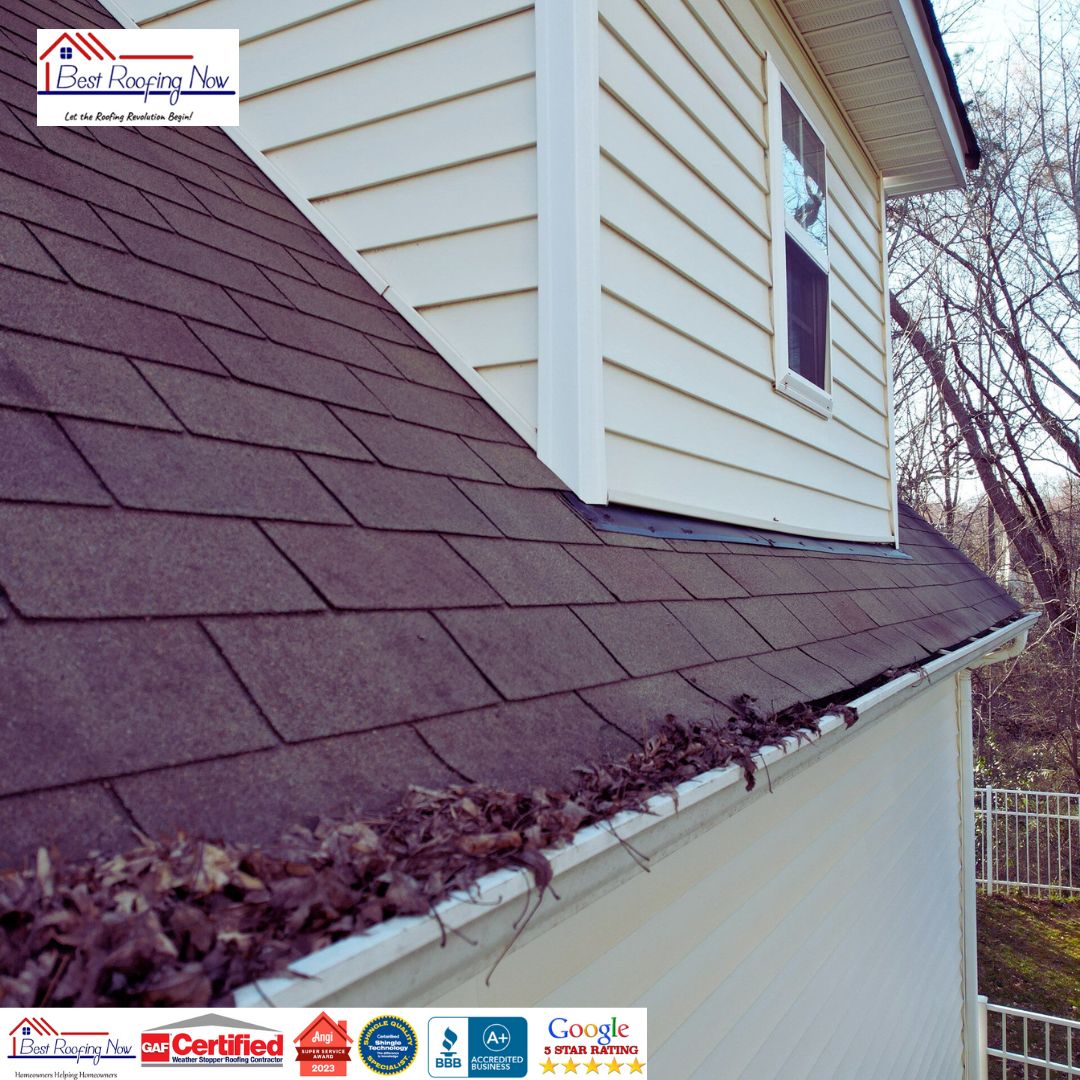
According to the NRCA, proper ventilation can lower attic temperatures by up to 40 degrees in summer. That's huge for both your comfort and your energy bills.
Pro Tip: Early morning is the best time to check your roof in summer. The temperature is cooler, and you can still see any overnight moisture issues before the sun dries everything out.
If you only do maintenance once a year, make it fall. Why? Because fall is your last chance to prepare for winter. And it's when trees dump the most debris on your roof.
✅ Deep clean your gutters – This is critical. Clogged gutters lead to ice dams in winter. Water backs up, freezes, and can cause serious damage.
✅ Remove all organic debris from your roof – Use a leaf blower or soft broom if you can safely access your roof. Never scrub your shingles: that removes the protective granules.
✅ Treat moss and algae – Fall is ideal for treating any growth before winter sets in. A soft wash (low pressure with specialized solution) removes algae safely.
✅ Inspect and seal flashings – Check every flashing point. Reseal any that look cracked or loose.
✅ Check soffit vents – Make sure they're not blocked by debris, paint, insulation, or even insect nests. Good airflow prevents ice dams.
✅ Schedule a professional inspection – Before winter, have a pro take a look. We catch things most homeowners miss.
"Regular inspections catch minor issues before they become major, costly problems," notes the NRCA. This is especially true in areas like Lake Norman where seasonal changes are dramatic.
Pro Tip: If you have mature trees near your home, you may need to clean your gutters 3-4 times during fall. Those pretty oaks and maples shed a LOT of leaves.
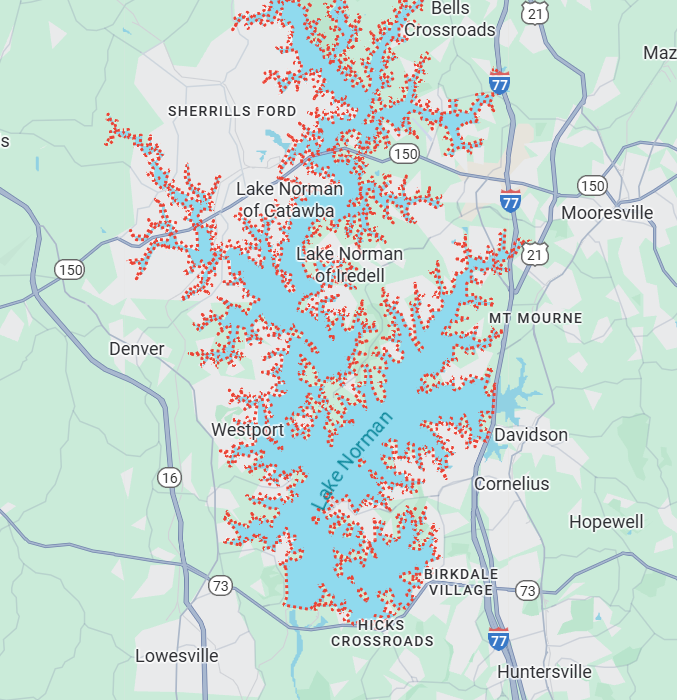
Winter around Lake Norman is usually mild. But we do get cold snaps, occasional ice storms, and even some snow. Your roof needs attention even in the "off season."
✅ Watch for ice dams – Ice dams form when heat escapes your attic, melts snow on the roof, and the water refreezes at the edge. They can cause major leaks.
✅ Never chip ice off your roof – You'll damage your shingles. Let it melt naturally or call a professional for safe removal.
✅ Check for icicles – A few small icicles are normal. Big icicles or lots of them signal a ventilation or insulation problem.
✅ Look for ceiling stains inside – After any winter precipitation, check your ceilings for new water stains. Catching leaks early saves money.
✅ Monitor your energy bills – A sudden spike could mean heat is escaping through your roof. This often points to damaged insulation or ventilation issues.
✅ Keep an eye on heavy snow – We don't get much snow here. But when we do, make sure it's not piling up unevenly on your roof.
Pro Tip: After an ice storm, wait until temperatures rise above freezing before inspecting anything. Walking on an icy roof is dangerous: and usually unnecessary.
Some maintenance tasks aren't tied to any season. These habits keep your roof healthy all year long.
Check your roof after major storms – Hail the size of a quarter can cause major damage. Always look after severe weather.
Keep records – Take photos of your roof each season. This helps you (and us) spot changes over time.
Don't ignore small problems – A tiny leak today becomes a rotted deck tomorrow. Address issues quickly.
Know your roof's age – Most asphalt shingle roofs last 20-25 years. Metal roofs can go 40-50 years. Knowing your roof's age helps you plan ahead.
Keep attic access clear – You should be able to easily check your attic for moisture, ventilation, and insulation issues.

Look, some maintenance you can handle yourself. But other tasks need a trained eye (and proper safety equipment).
Call a professional roofer when:
Safety matters too. Climbing on your roof is risky. Every year, homeowners get seriously hurt doing DIY roof work. Professional roofers have the right equipment: and the right insurance.
"Hiring a professional roofer is often the best way to ensure the job gets done right without endangering yourself or family members," according to roofing industry safety guidelines.
If you're thinking about a roof replacement, material choice matters. Here's what works best in our area:
Asphalt Shingles – The most popular choice. Affordable and performs well in our climate. Look for algae-resistant options.
Architectural Shingles – A step up from basic asphalt. Thicker, more durable, and looks great.
Metal Roofing – Excellent longevity and handles our summer heat well. Reflects sunlight to keep your home cooler.
Slate and Tile – Beautiful and incredibly durable. More expensive and needs specialized installation.
Each material has different maintenance needs. We're happy to discuss what makes sense for your specific home and budget.
Here's how we see it. Your roof isn't just shingles and nails. It protects your family, your belongings, and your investment.
A little attention throughout the year keeps everything safe. And it saves you money in the long run.
We've been serving Lake Norman homeowners for years. From Mooresville to Davidson, Cornelius to Denver: we know what local roofs face. And we know how to keep them strong.
Ready to get your roof inspected before the next season hits? Schedule a free inspection with Best Roofing Now today. We'll give you an honest assessment and help you plan for years of worry-free protection.
Best Roofing Now
Charlotte's trusted roofing experts since 2019
Based on this article, you may be interested in these services.
We proudly serve these Charlotte-area communities with professional roofing services.
View All Service Areas →See our recent roofing work across the Charlotte metro area.
Charlotte, NC
new roof
Charlotte, NC
new roof
Charlotte, NC
work in progress
Charlotte, NC
new roof
Get a free roof inspection and honest assessment from Charlotte's most trusted roofing company.


